Quick facts
Wildlife
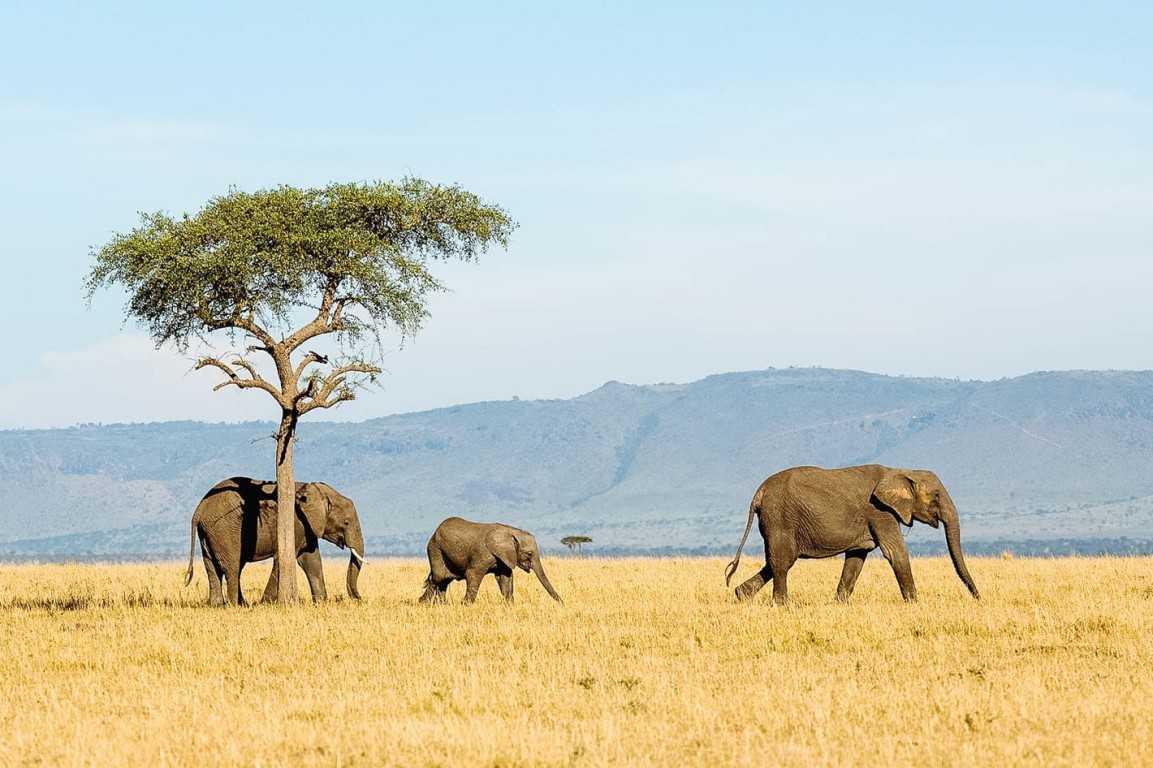
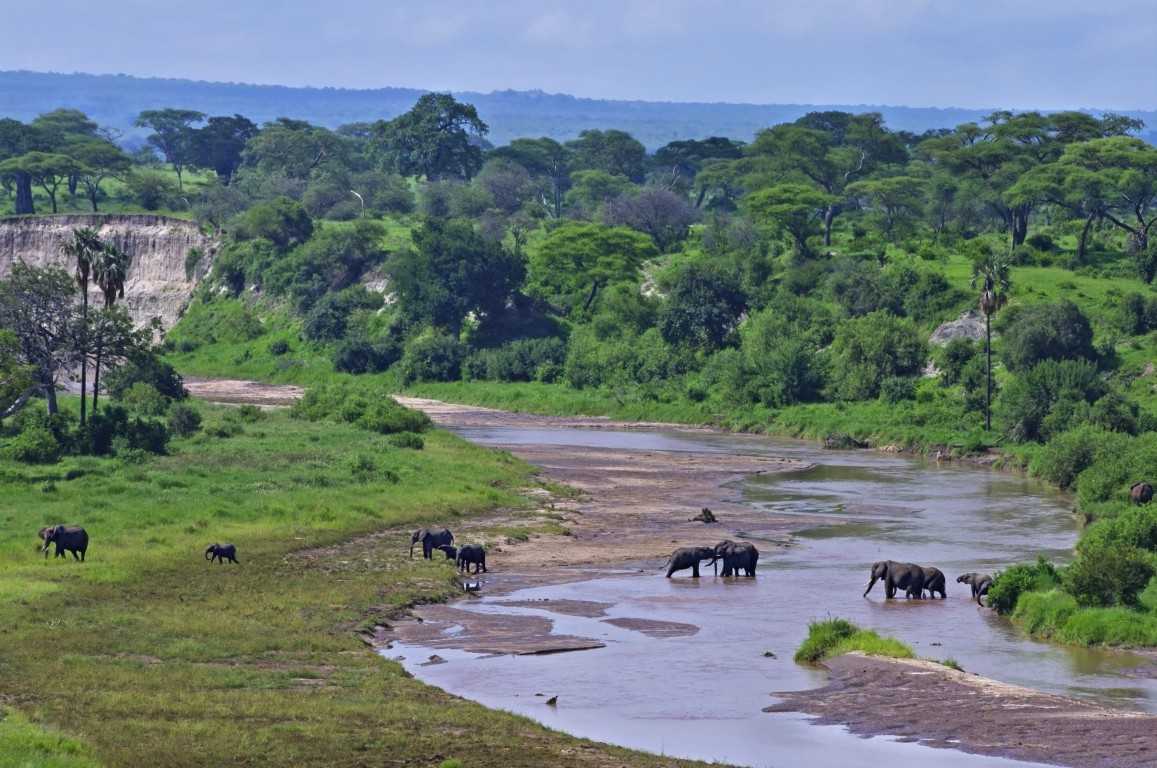
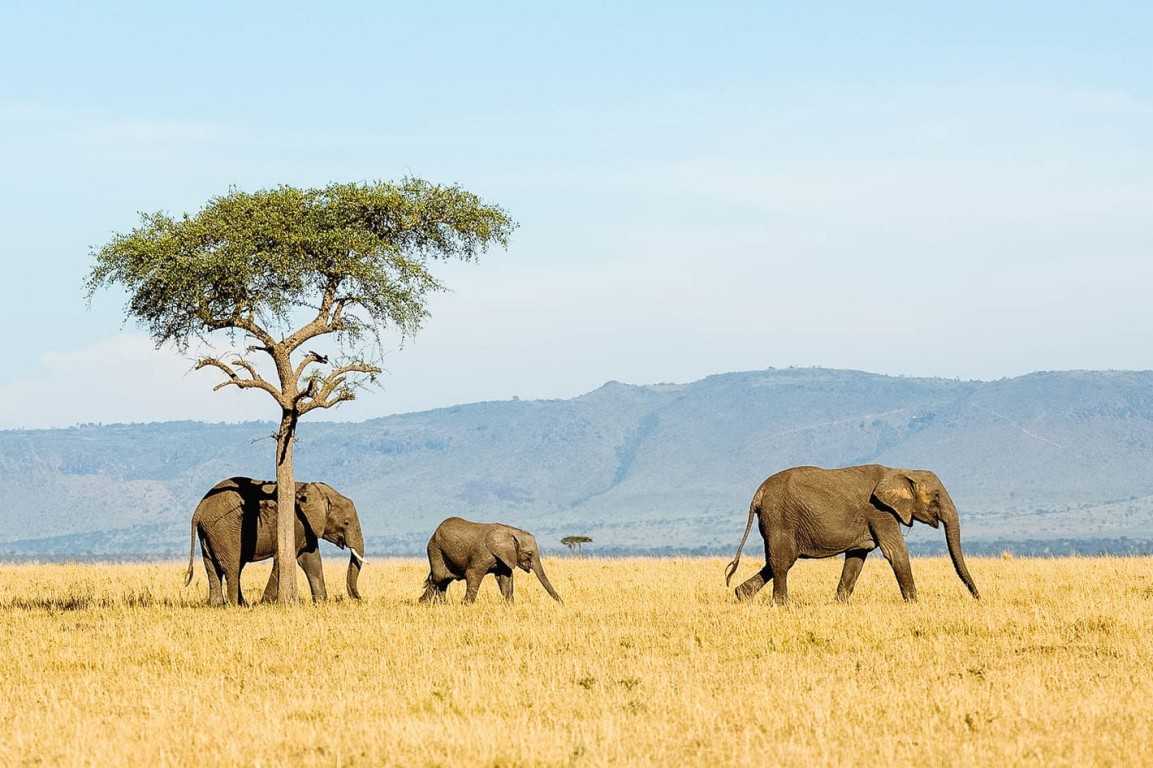
Tarangire holds one of Africa's highest elephant concentrations, with herds of 200-300 animals common in the dry season around the Tarangire River. Large lion prides, leopard, cheetah, wild dog, and all of the northern circuit ungulates — including large populations of fringe-eared oryx and gerenuk — are resident. The park is a birdwatcher's paradise with over 550 recorded species, including six Tanzania endemics.
Top activities
Game drives along the Tarangire River for dry-season elephant concentrations. Guided walking safaris through the baobab groves. Night game drives in concession areas north of the park. Fly camping under the stars in the Kuro or Mswakini concessions. Cultural visits to Maasai villages on the park boundary. Specialist birding safaris — Tarangire has the highest bird species count of any park in northern Tanzania.
About Tarangire National Park
Ask most travellers to name Tanzania’s top safari parks and they will say Serengeti, Ngorongoro, maybe Tarangire. They’re right to include it — but Tarangire National Park is consistently underrated relative to what it delivers. The elephant populations here are extraordinary by any measure, the ancient baobab landscape is unlike anything else in East Africa, and the dry-season game viewing along the Tarangire River rivals the very best on the continent.
Covering 2,850 square kilometres in Tanzania’s Manyara Region, Tarangire is the sixth-largest national park in Tanzania and the quieter sibling of the more famous Serengeti. Most Northern Circuit itineraries include Tarangire as either a first or last stop — and those who spend two full days here (rather than the standard half-day en route) rarely regret it.
Where is Tarangire?
Tarangire lies in Tanzania’s Manyara Region, roughly 120 km southwest of Arusha and about 2 hours by road on the main Arusha–Dodoma highway. The main Tarangire gate is at Kwa Kuchinja, and from here the road descends into the Tarangire River valley where most of the game viewing action happens.
The elephants of Tarangire
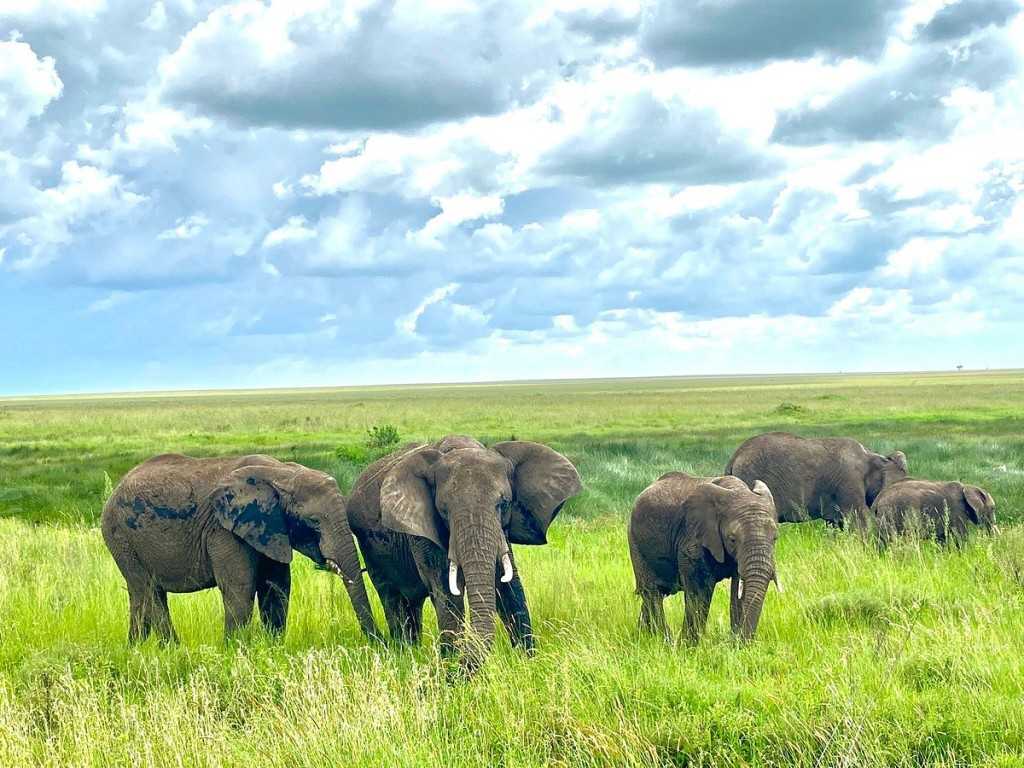
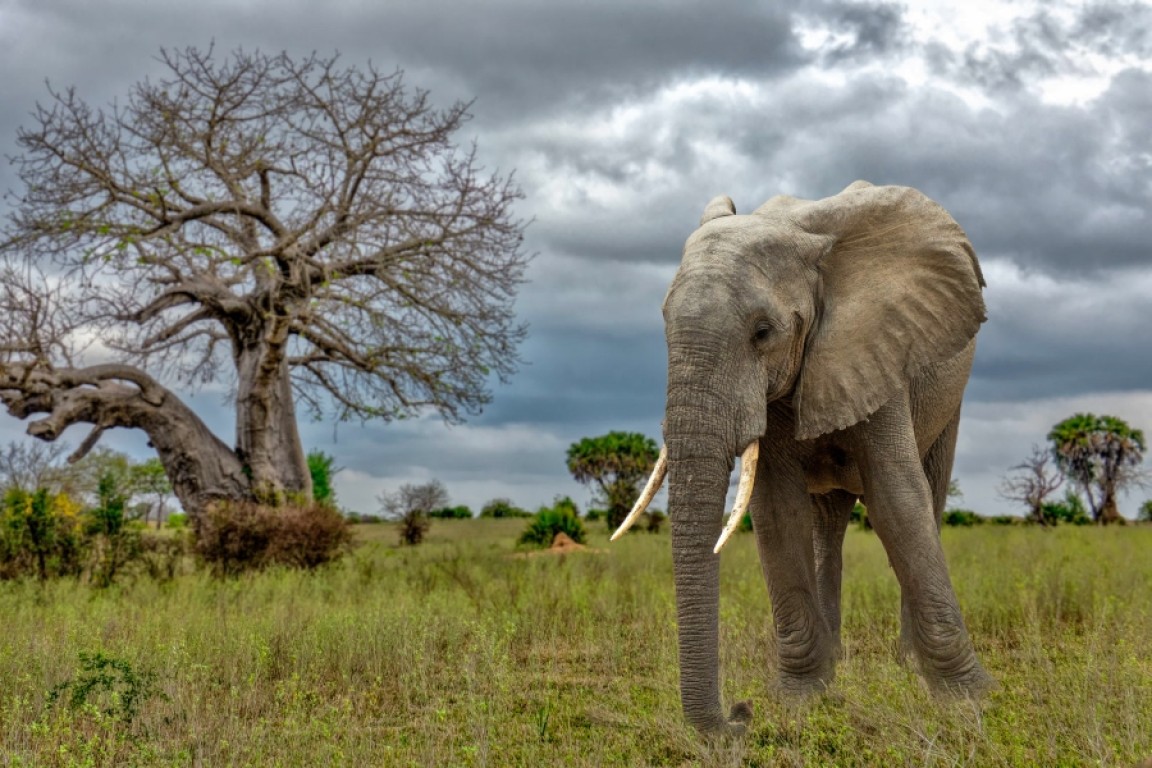
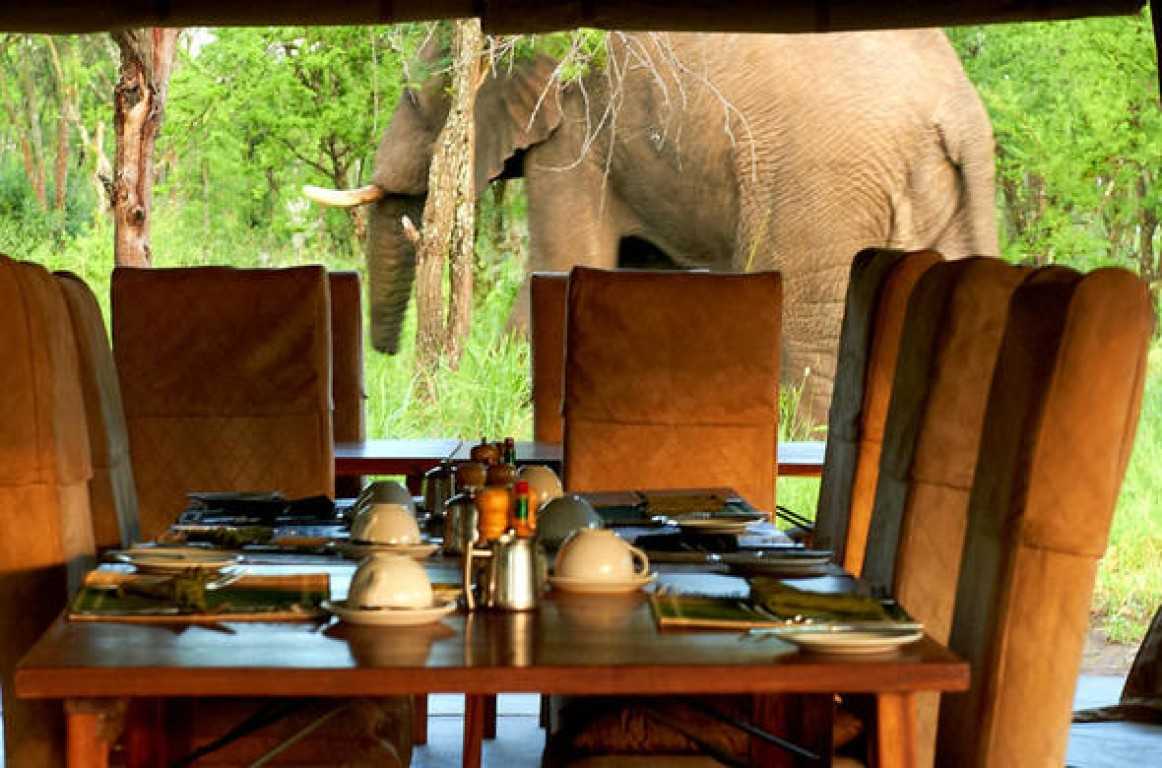
Tarangire holds one of the highest elephant concentrations anywhere in Africa. In the dry season (July–October), up to 3,000 elephants converge on the Tarangire River valley as surrounding waterholes dry up. It is common to see aggregations of 200–300 animals drinking, playing and socialising at the riverbank — multigenerational family groups led by ancient matriarchs who have made this annual pilgrimage for decades.
Unlike Amboseli’s famous elephant families, Tarangire’s herds are part of a much larger migratory system: the Tarangire–Manyara ecosystem stretches across 20,000 square kilometres of private and communal lands. The elephants move between Tarangire, Lake Manyara, and the Maasai Steppe in seasonal circuits. Tarangire itself is the bottleneck that forces them into spectacular concentration.
The baobab landscape
Tarangire contains one of the highest densities of baobab trees in East Africa. These ancient giants — some over 1,000 years old, with trunks that can reach 25 metres in circumference — define the park’s visual identity in a way that no other Tanzania park can match. Dawn game drives through baobab groves, with elephants moving between the silhouetted columns, produce some of the finest wildlife photography opportunities in Africa.
Other wildlife
Beyond the elephants, Tarangire offers a full cast of northern Tanzania wildlife:
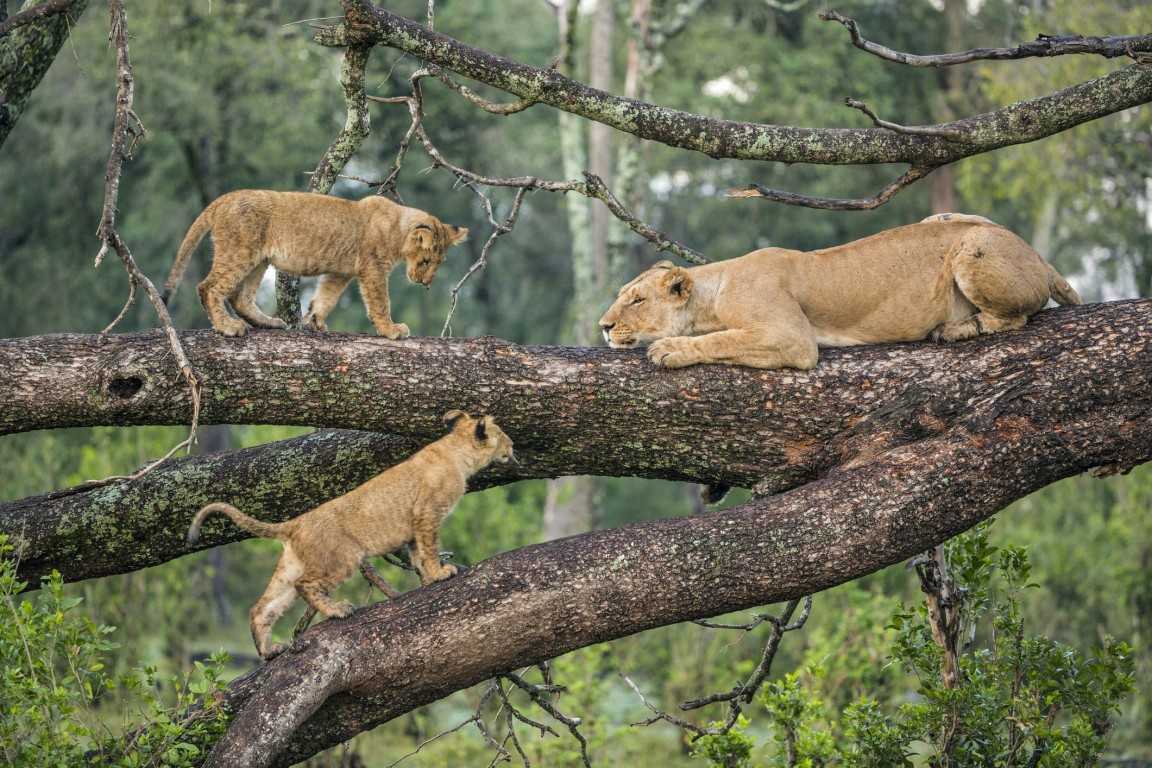
- Lion — large prides work the river valley, and in dry season they can be found resting in baobab shade all day.
- Leopard — present throughout but elusive; the riverine forest near the main camps is good territory.
- Wild dog — Tarangire is one of the more reliable parks in the northern circuit for African wild dog sightings.
- Fringe-eared oryx and gerenuk — dry-country specialists found here but not in the Serengeti.
- Birds — over 550 species, including six Tanzania endemics. The park holds the highest bird species count in northern Tanzania.
Activities in Tarangire
Game drives
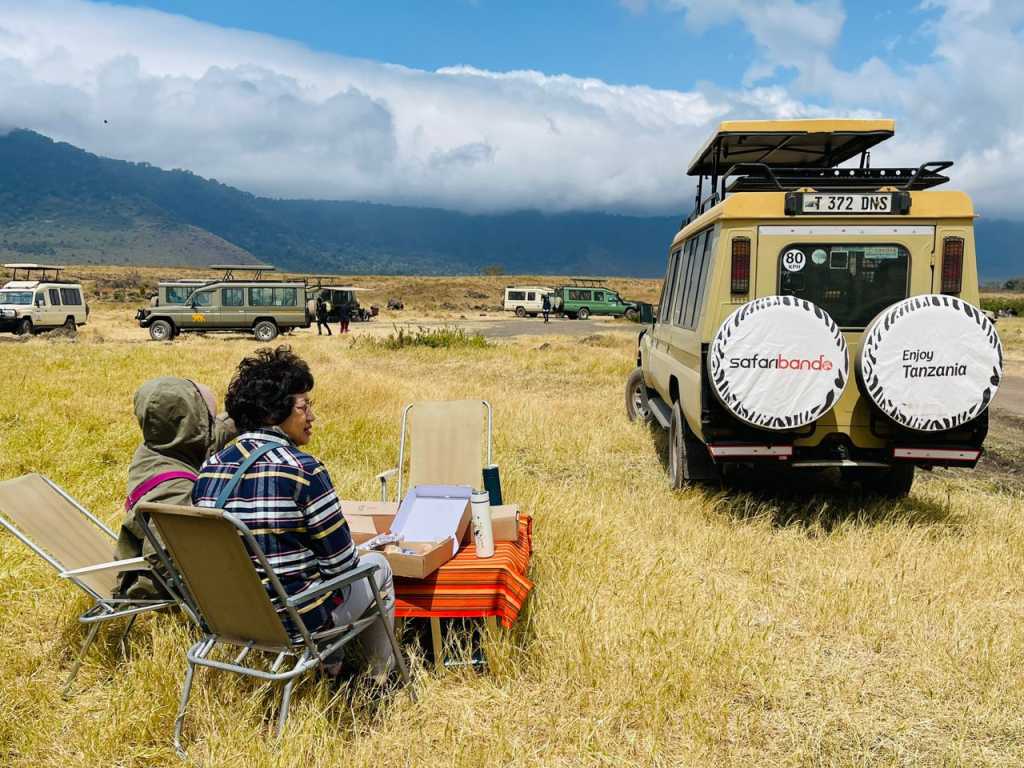
Morning drives along the river valley from 06:00 are the signature Tarangire experience. The Silale Swamp in the south is worth the longer drive — an extraordinary waterbird and buffalo concentration in the dry months.
Walking safaris
Available inside the park (with rangers) and in the private concessions to the north (Kuro and Mswakini). Walking among baobabs at dawn, listening to the landscape wake up, is one of Tanzania’s most distinctive experiences.
Night drives
Not permitted inside the national park but available in the private concessions bordering the northern boundary. Genets, porcupines, bat-eared foxes and hunting lions are among the night-drive highlights.
Where to stay
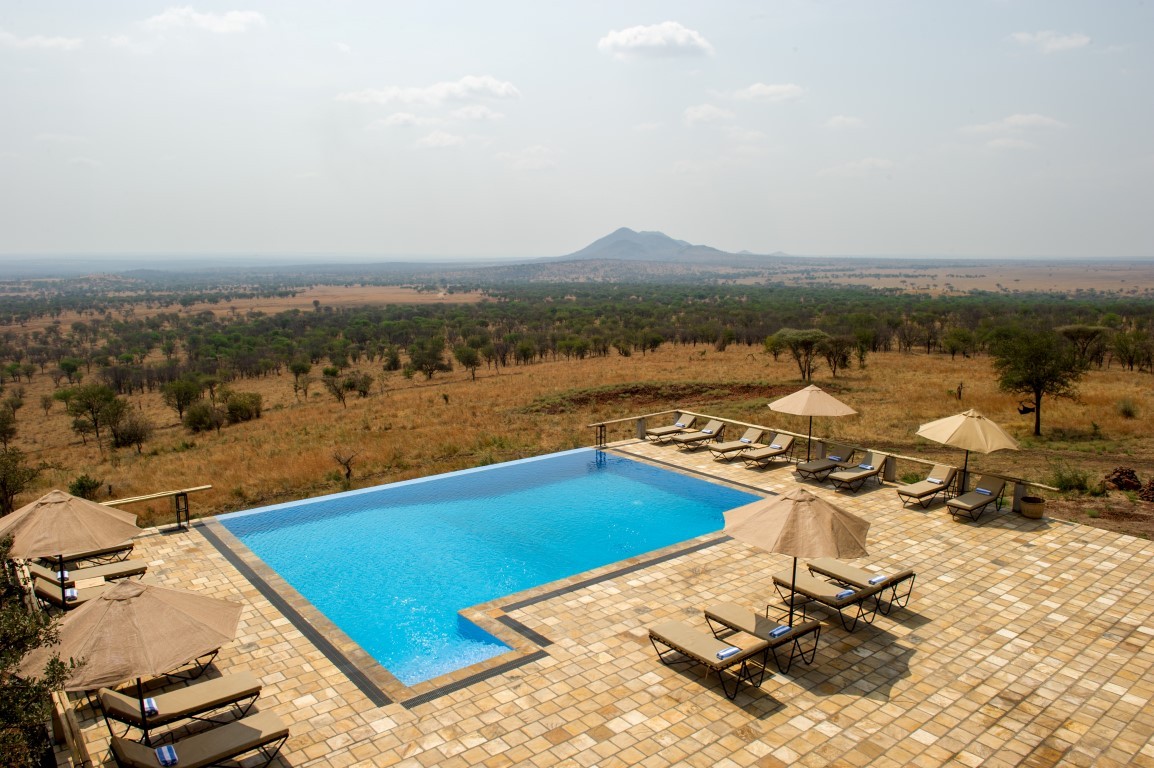
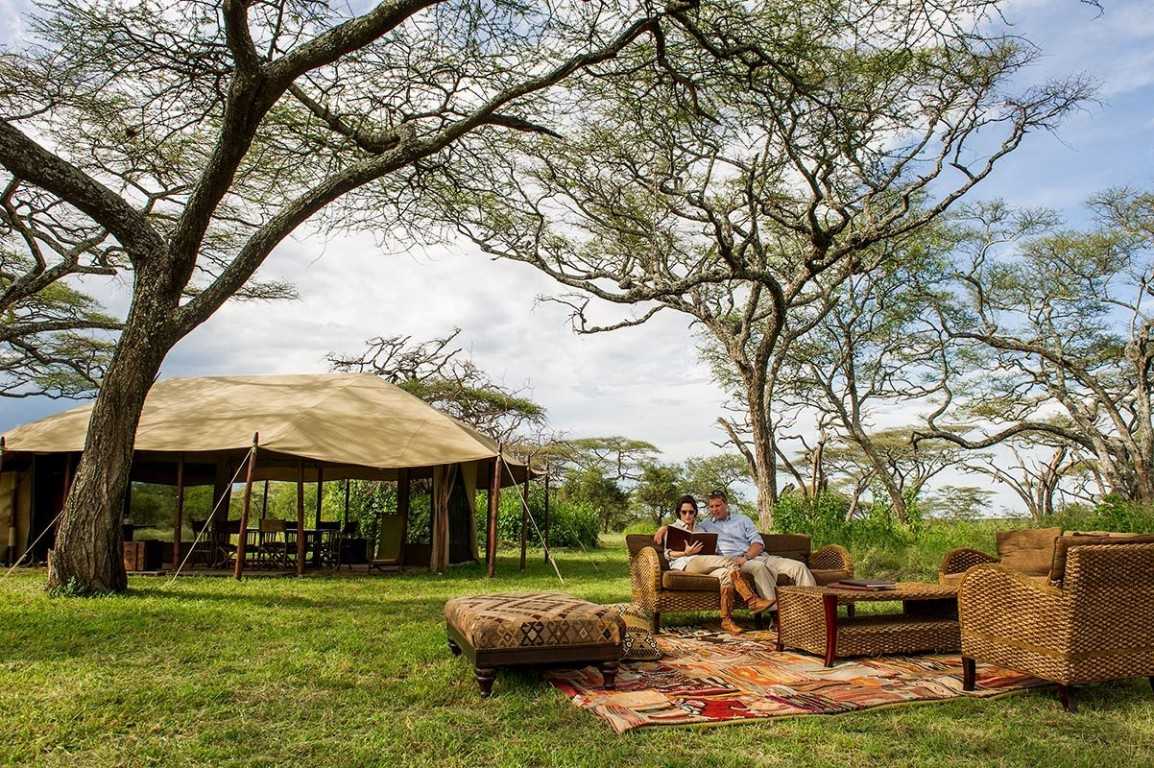
Camps cluster in three areas: the main park near the gate (highest density of camps), the river valley mid-park (best dry-season location), and the private northern concessions (best for night drives and exclusivity). For the serious elephant experience, choose a camp with a riverside location and an in-park or concession-bordering position.
Combine Tarangire with…
- Lake Manyara National Park — 45 minutes away, great for a half-day add-on.
- Ngorongoro Crater — classic next stop on the Northern Circuit.
- Serengeti National Park — the full northern circuit.
- Lake Eyasi — a Hadzabe cultural add-on 90 minutes south.
Frequently asked questions about Tarangire
Is Tarangire better than the Serengeti?
For elephants and baobabs: yes. For the Great Migration and lion density: Serengeti wins. They deliver completely different landscapes and wildlife emphases — most Northern Circuit itineraries include both.
How many days should I spend in Tarangire?
Two nights and three game drives is ideal. One night is the minimum for a genuine experience; more than three nights is only for dedicated birders or walking safari enthusiasts.
What makes Tarangire special for photography?
The baobab trees. No other park in Tanzania gives you the same combination of dramatic ancient trees, elephant herds and flat golden light. Wide-angle landscape compositions here are unlike anything else on the Northern Circuit.
Are there rhinos in Tarangire?
No. Rhino are found in the Ngorongoro Crater and a small population in Mkomazi. Tarangire does not have resident rhino.
Is Tarangire good for families with children?
Very much so — the elephant concentrations are child-friendly by scale and accessibility, the game drives are short enough to not exhaust young children, and several family-friendly camps operate in the northern concessions.
Want to visit Tarangire National Park?
Get a free custom safari plan within 24 hours.
Tarangire National Park safari tours
3-Day Tanzania Safari from Zanzibar to Tarangire, Ngorongoro Crater & Lake Manyara