Quick facts
Wildlife
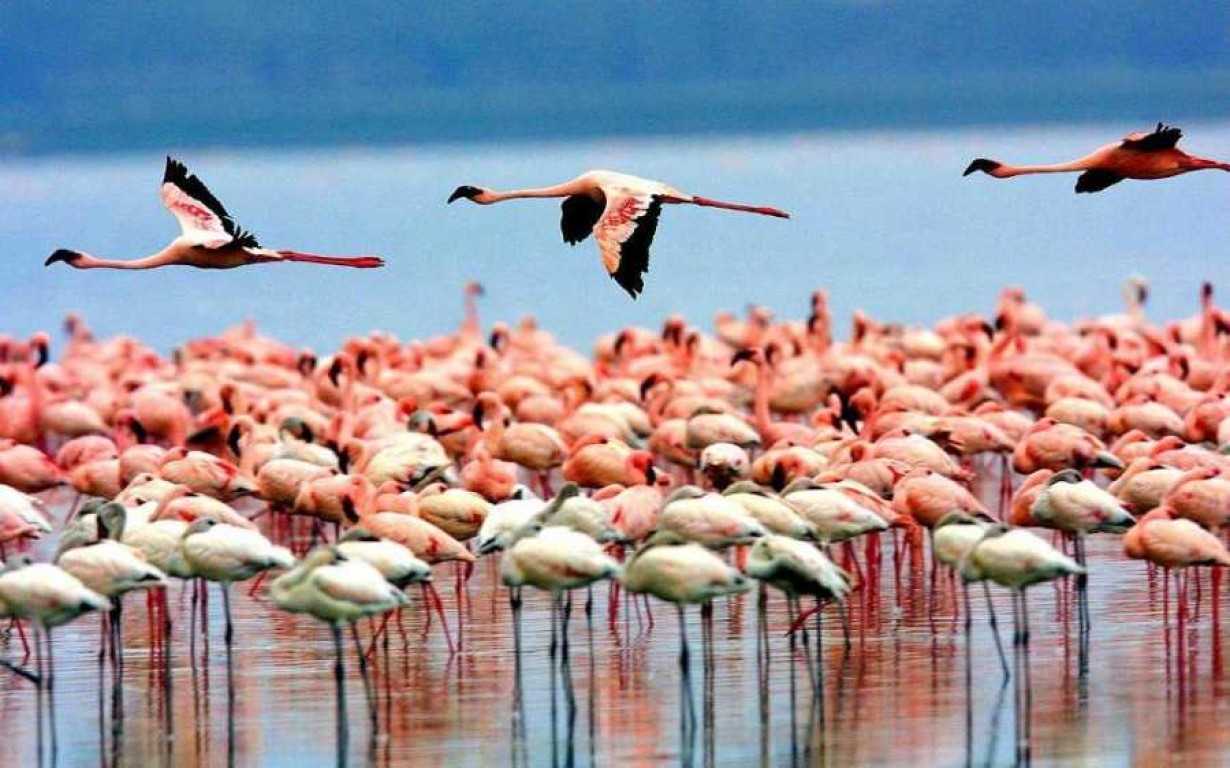
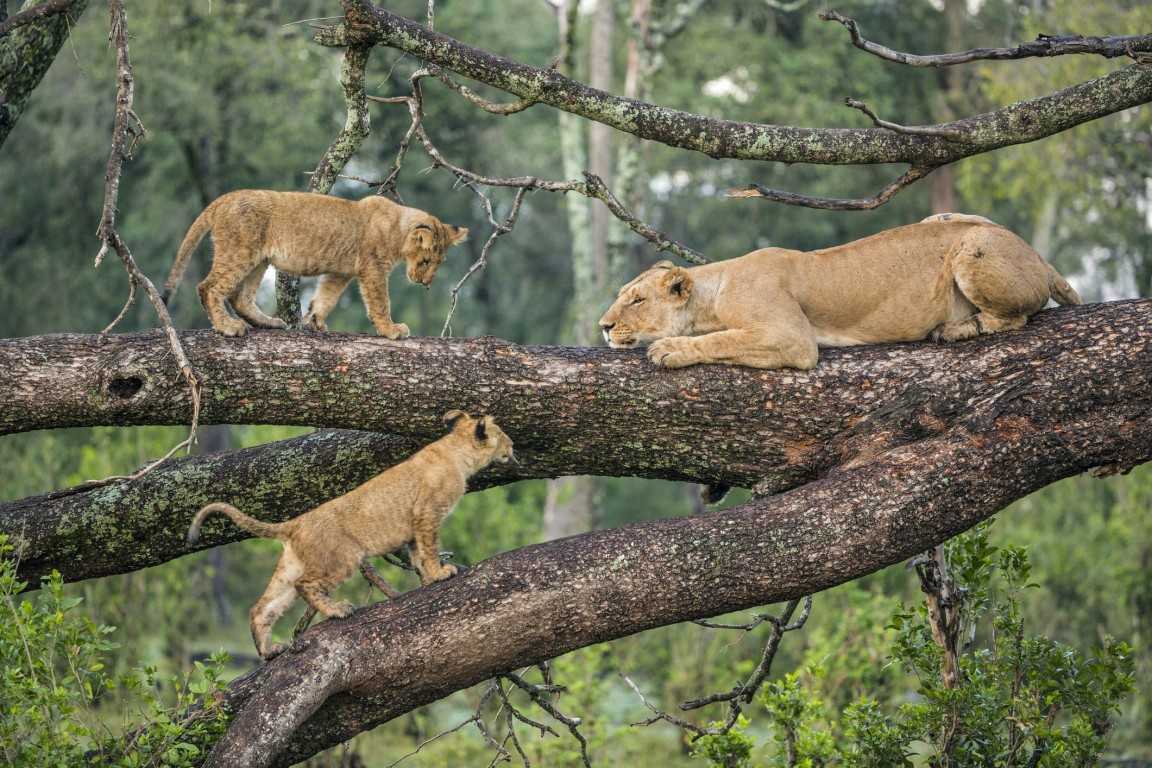
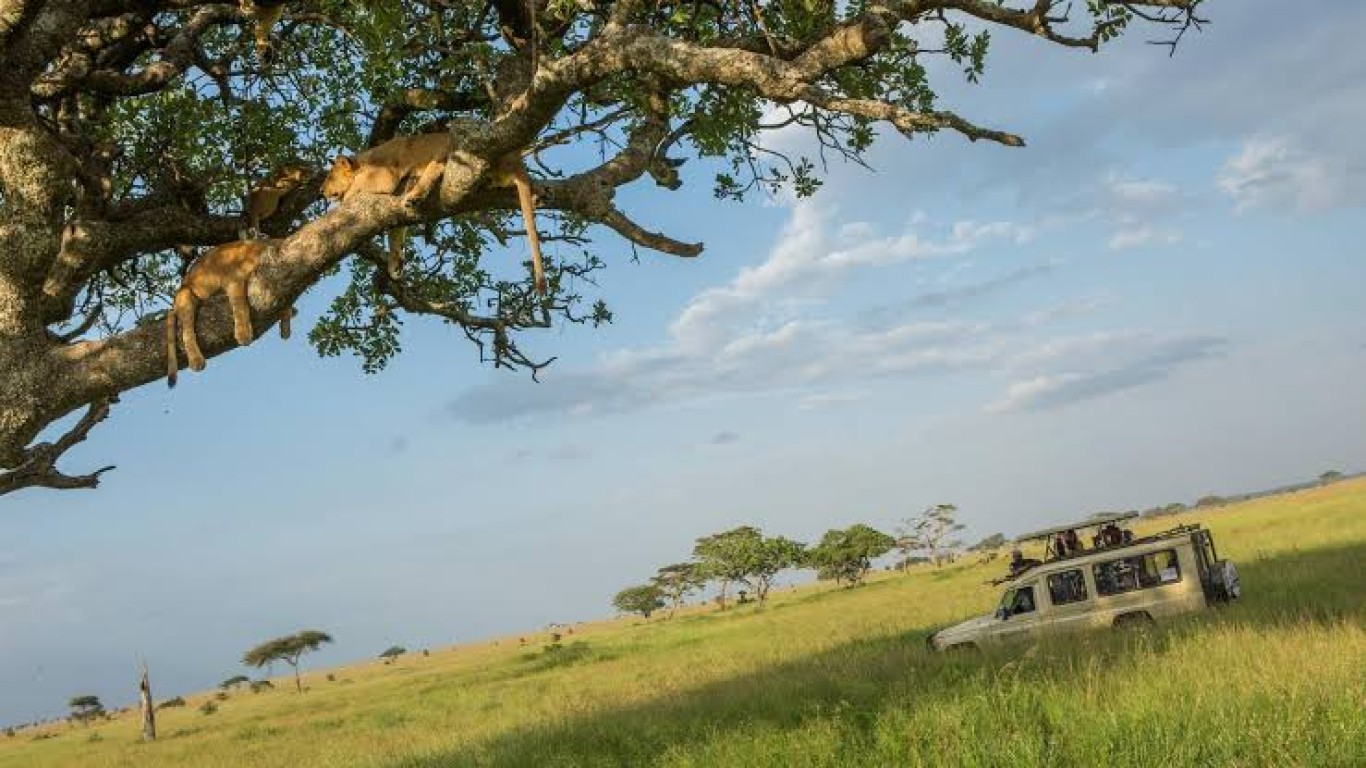
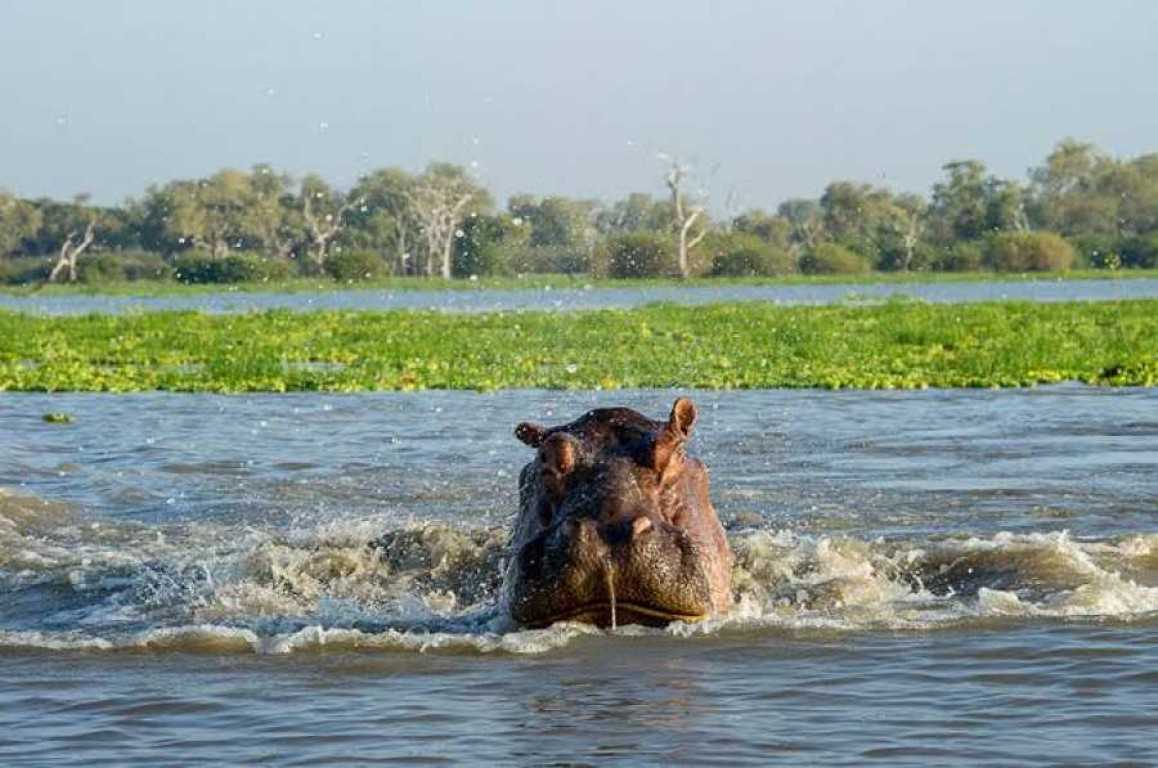
Lake Manyara is renowned for its tree-climbing lions — prides that rest in fever acacia trees, a behaviour rarely seen elsewhere in Africa. Large hippo pods occupy the lake shallows. The alkaline lake draws hundreds of thousands of flamingos in season. Elephant herds move through the groundwater forest, and the park holds baboon troops numbering in the hundreds. Over 400 bird species recorded, including African fish eagle, martial eagle and African spoonbill.
Top activities
Game drives through groundwater forest and along the lake shore. Canoe and kayak safaris on Lake Manyara — one of the few Tanzania parks offering water-based wildlife activities. Mountain biking on trails around the lake periphery. Guided walking safaris in the groundwater forest zone. Birdwatching, with 400+ species and year-round flamingo concentrations. Night drives in the Manyara Ranch Conservancy bordering the park. Cultural visits to local farming communities.
About Lake Manyara National Park
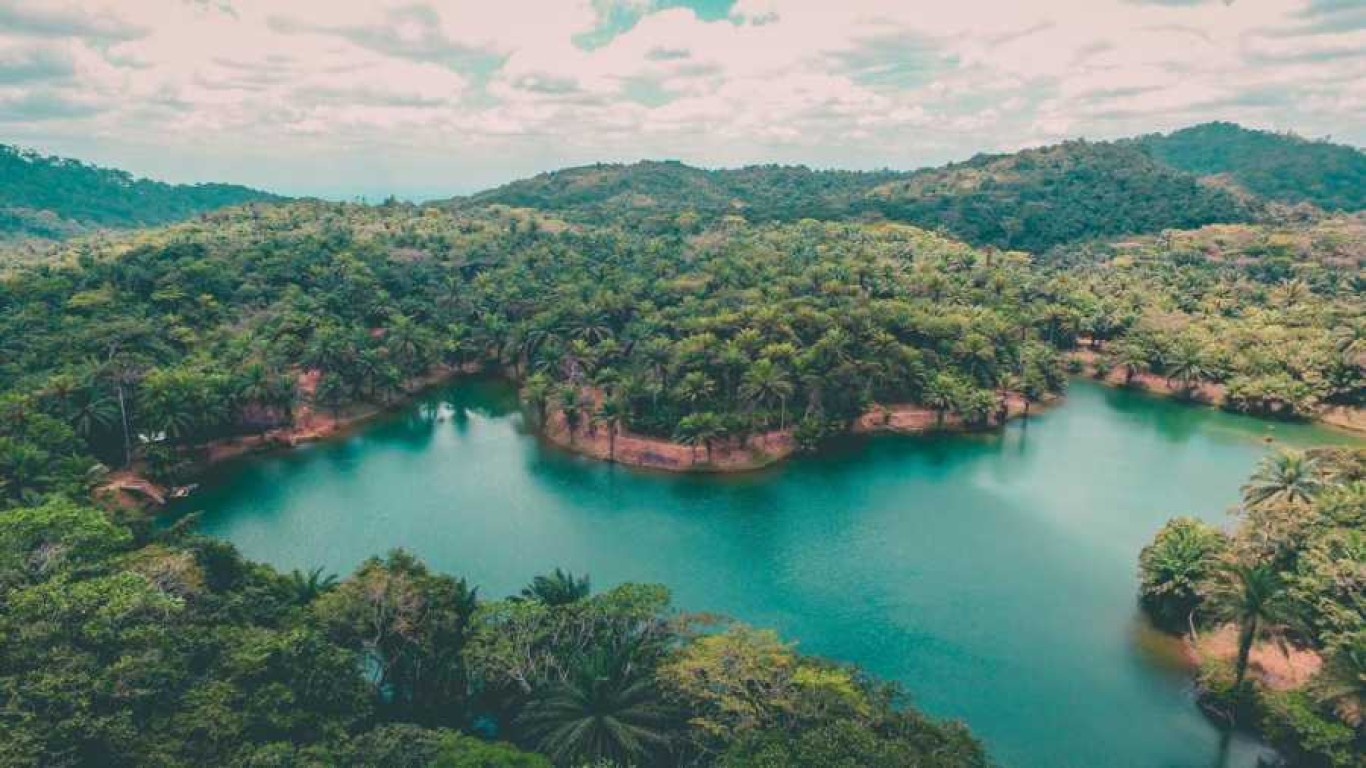
Ernest Hemingway called it “the loveliest I had seen in Africa”. Lake Manyara National Park is compact — just 330 square kilometres, of which more than half is the lake itself — but it packs an extraordinary variety of habitats into a narrow strip between the dramatic Rift Valley escarpment and the alkaline lakeshore. Groundwater forest, acacia woodland, open floodplains and the flamingo-pink lake all unfold within a short morning drive.
Most Northern Circuit travellers treat Manyara as a half-day stop between Tarangire and the Ngorongoro Crater. That works, but spending one full night here reveals a park that deserves more credit: the game viewing in the groundwater forest is consistently excellent, the birding is remarkable, and — most famously — the tree-climbing lions are genuinely one of the more beguiling phenomena in East African wildlife.
Where is Lake Manyara?
The park sits at the base of the Rift Valley escarpment in northern Tanzania, about 126 km from Arusha and a 2-hour drive on a good tarmac road. The main gate at Mto wa Mbu sits beside the market town of the same name, where you can stock up on fresh produce, local crafts and excellent passion fruit juice.
The tree-climbing lions
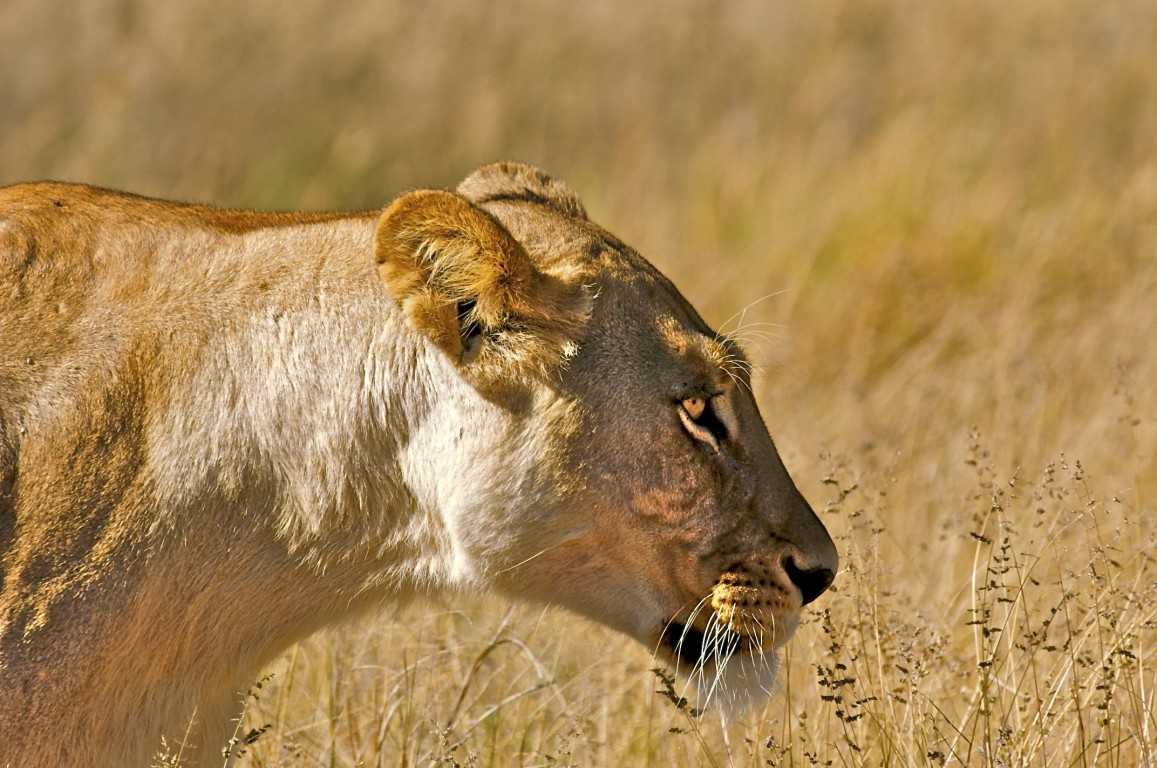
Manyara’s lions have a well-documented habit of resting in fever acacia and fig trees — sprawling across branches 5–10 metres off the ground while the rest of the African lion world sits firmly on the ground. No one is entirely certain why they do it. Theories include escaping ground-level tsetse flies, getting a breeze above the hot forest floor, and the simple possibility that they found it comfortable and the habit passed through the pride.
Whatever the reason, finding a lioness draped across a fever tree branch at dawn is one of those safari moments that stays with you for years. The Mahali pa Nyati area of the park and the sections along the Simba River are the most consistent spots.
The groundwater forest
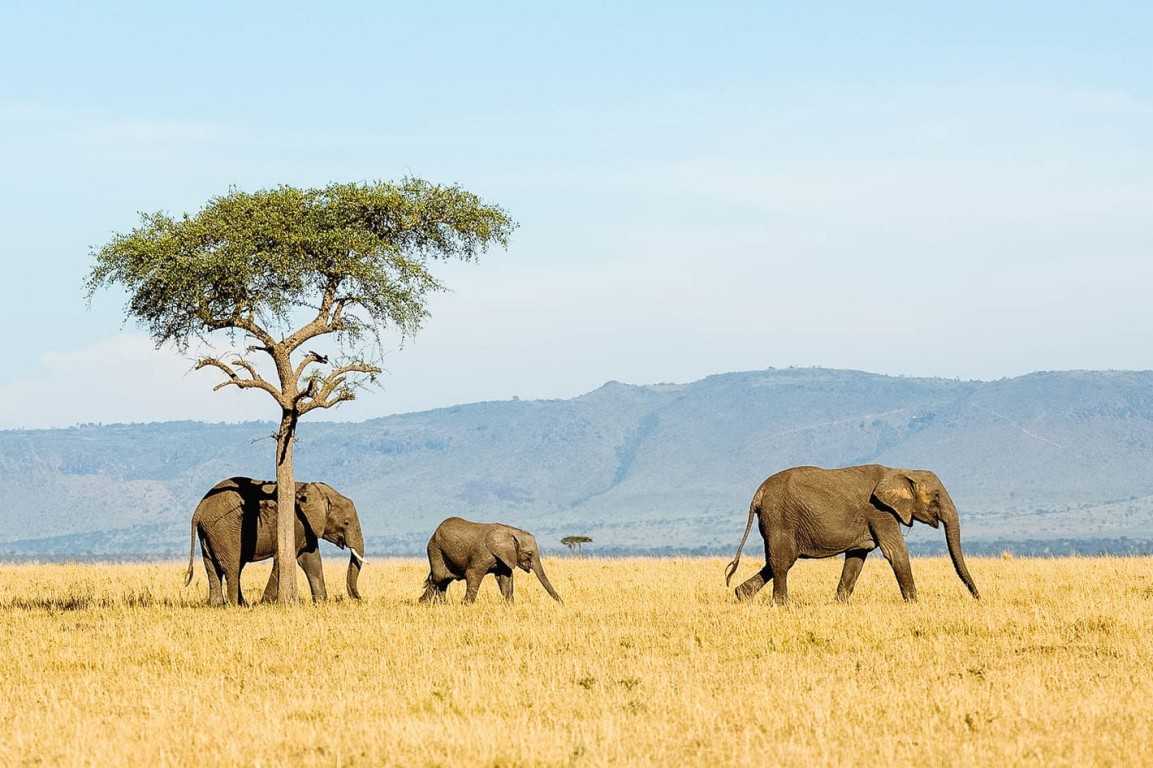
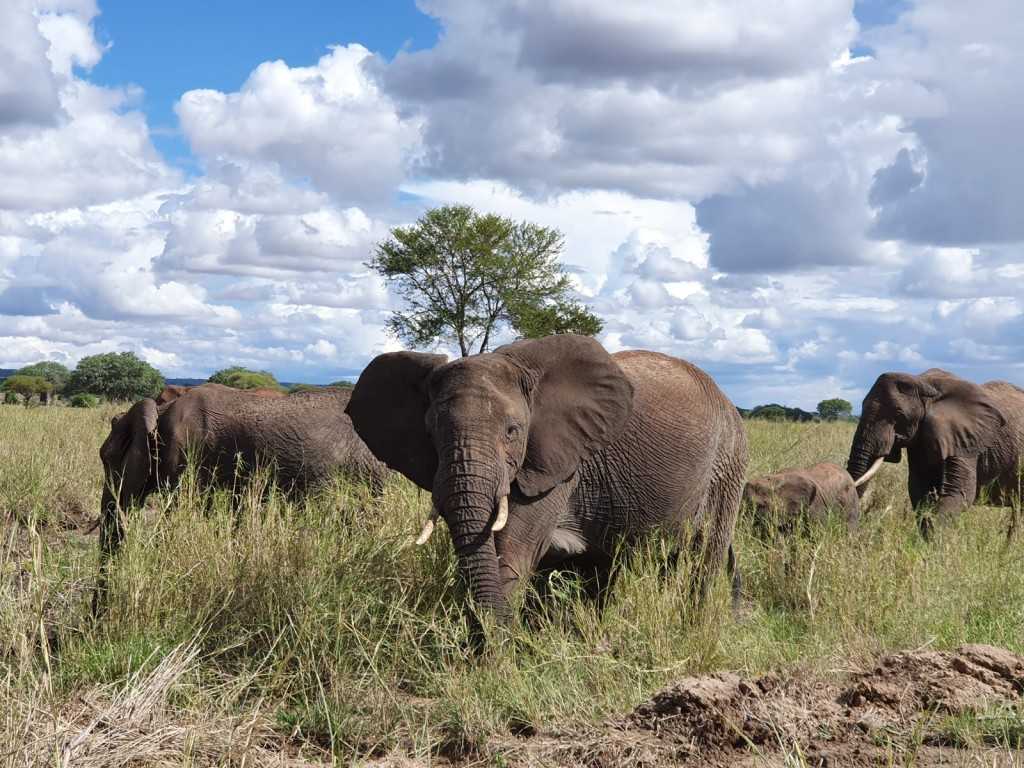
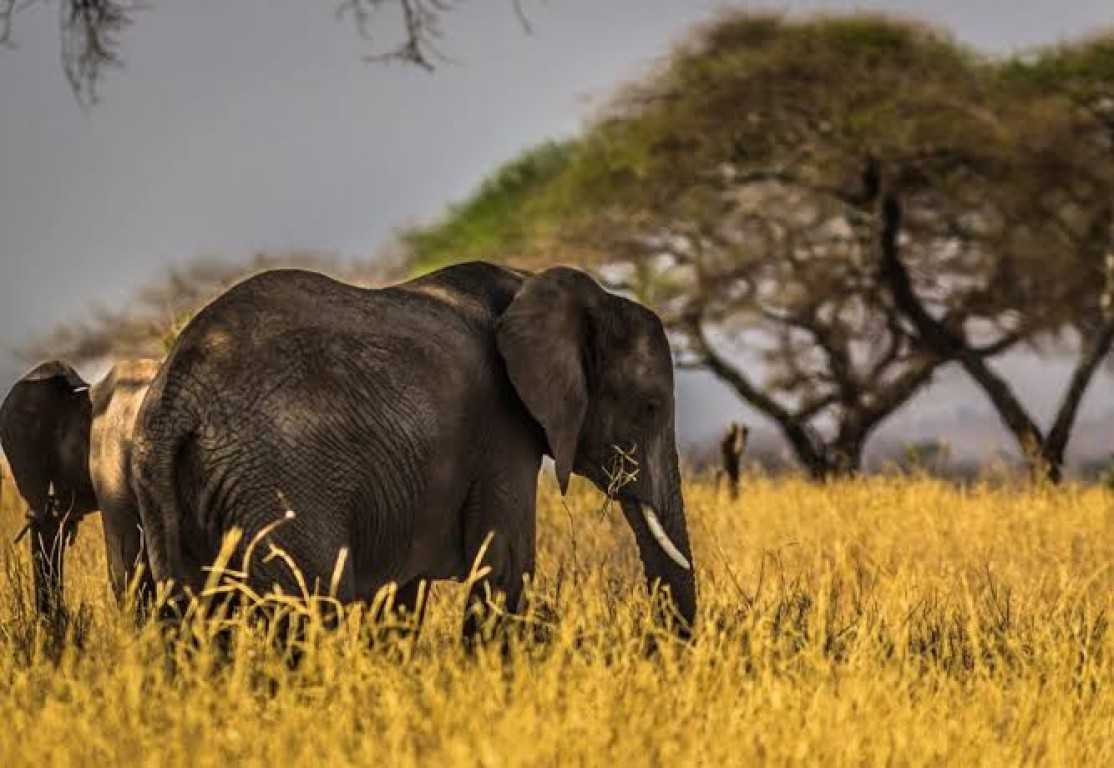
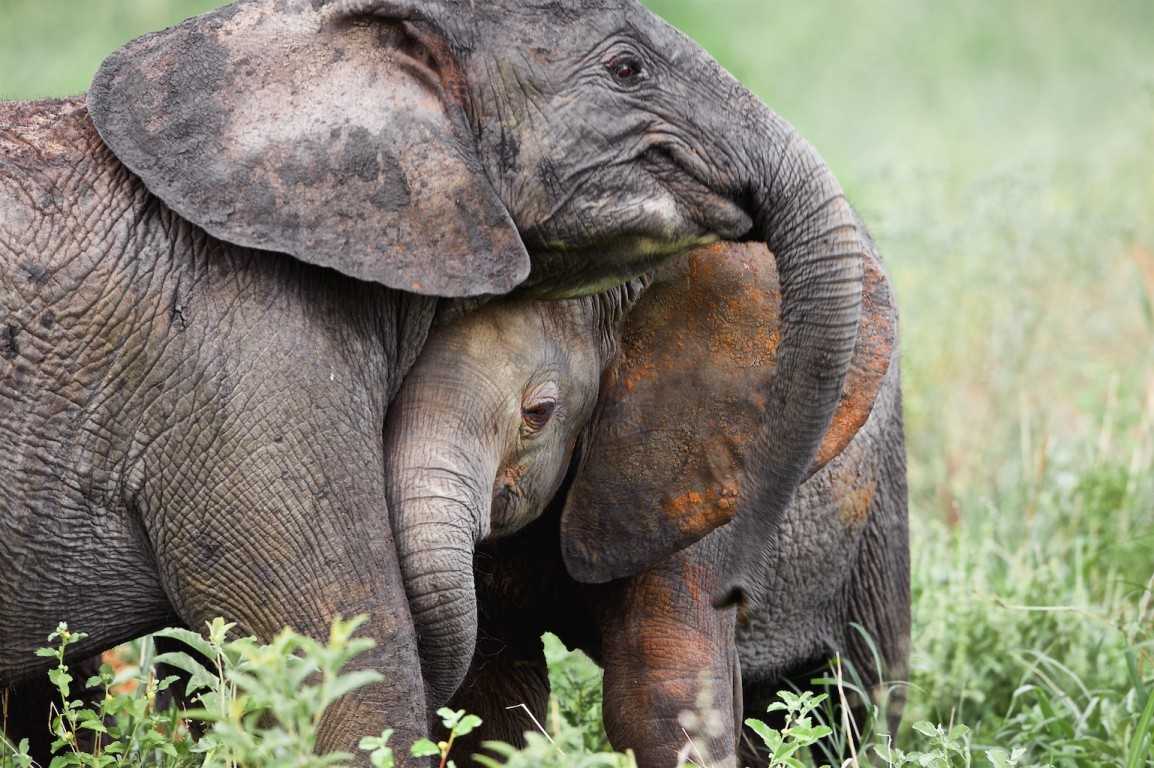
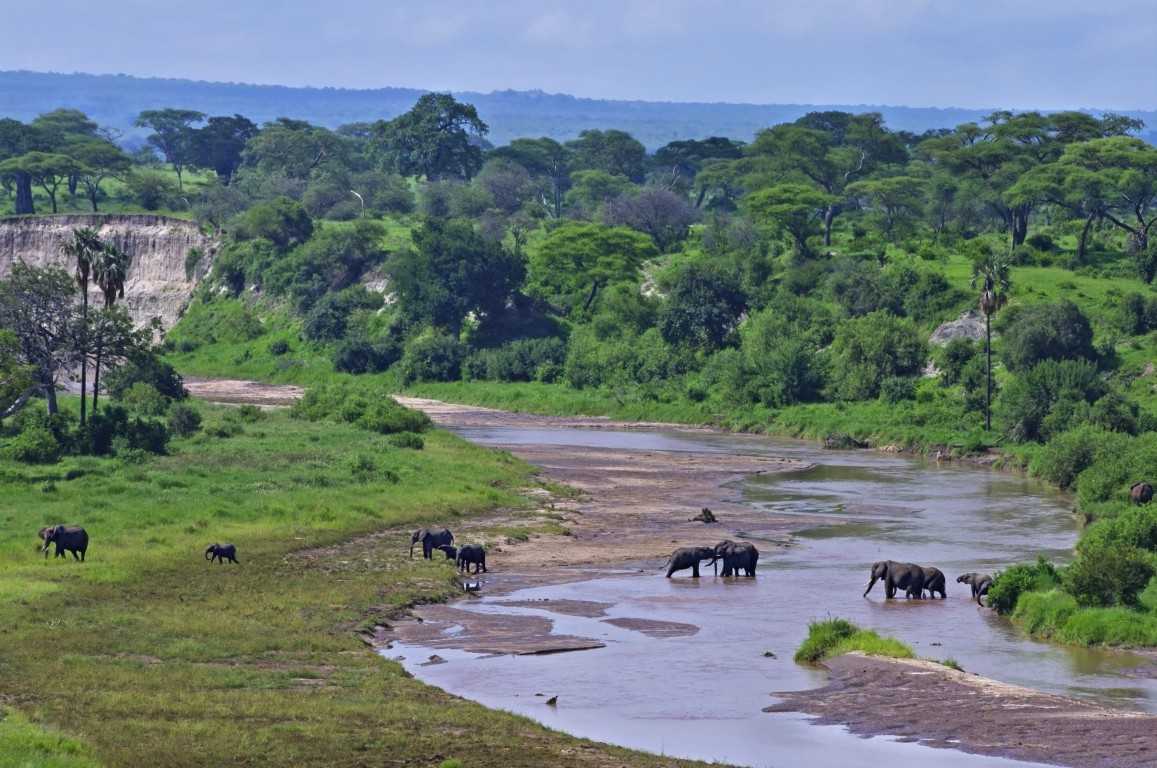
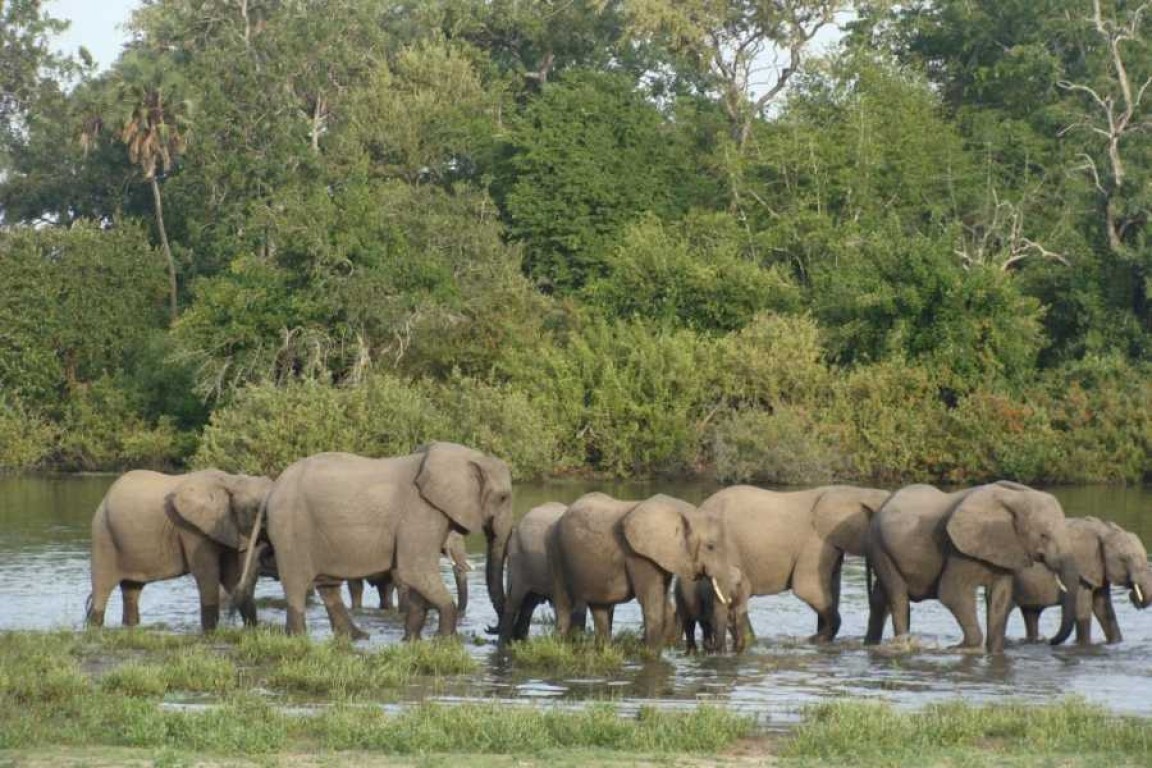
Immediately south of the gate, the park enters a dense groundwater forest fed by springs seeping from the Rift Valley wall above. It is dark, cathedral-like and startlingly lush compared to the dry acacia savanna visible from the escarpment above. Elephant families move slowly through the understorey, colobus monkeys crash overhead, and troops of baboons — some numbering several hundred individuals — cascade across the track.
The lake and its birds
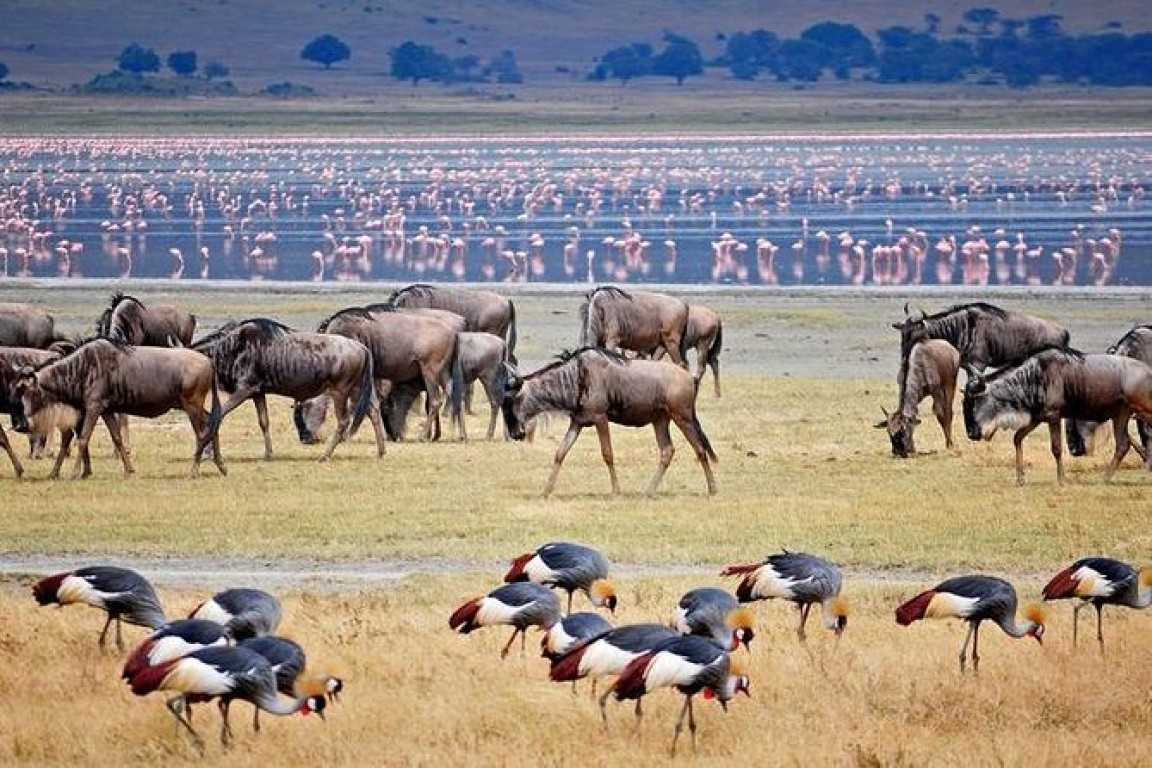
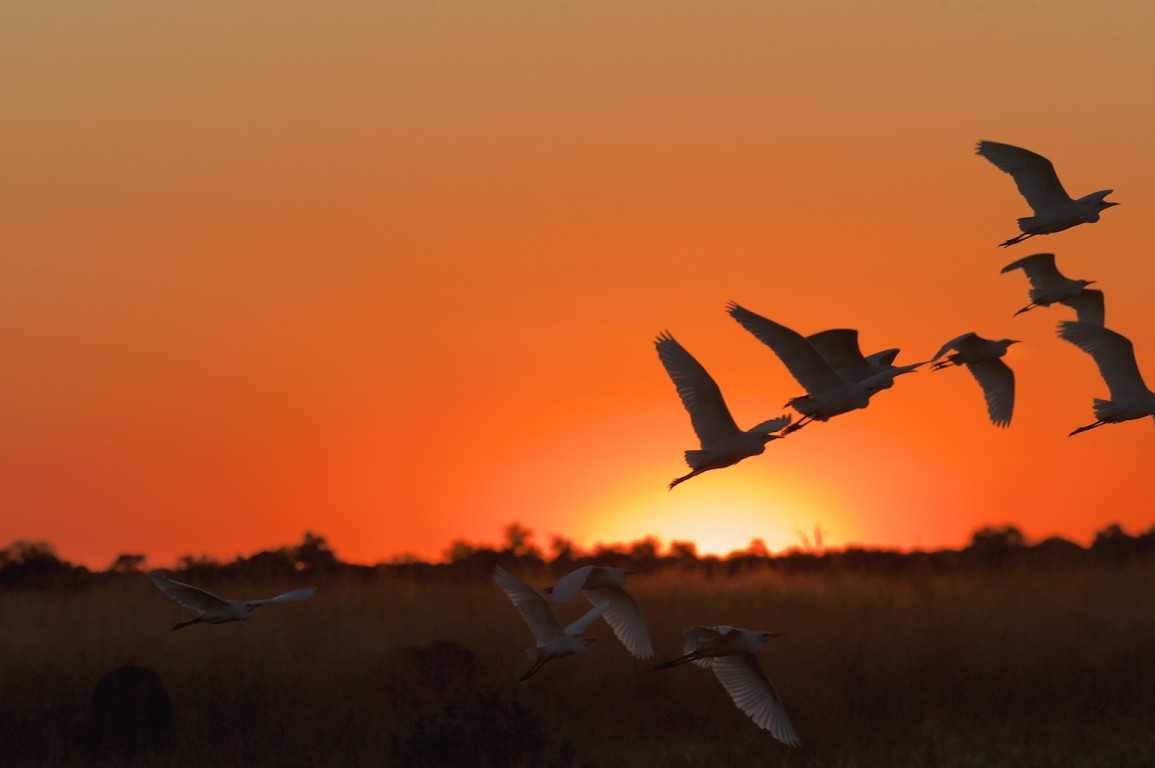
Lake Manyara is an alkaline soda lake, and in productive years it attracts up to 1.5 million flamingos — lesser and greater — turning entire sections of the shallows vivid pink. The lake also hosts large numbers of pelicans, storks, herons, ibis, and the striking African spoonbill. The total bird species count exceeds 400, including six Tanzania endemics, making Manyara one of the finest birdwatching parks in the country.
Activities
Game drives
The standard loop through the forest and along the lakeshore can be done in 3 hours. A full day allows a deeper exploration of the southern grasslands and the Maji Moto (hot springs) area.
Canoe and kayak safaris
A genuinely unusual option: guided kayak trips on the lake itself, getting eye-level with hippos, flamingos and waterbirds from the water. Available through several camps and the park authority.
Walking safaris
Permitted in designated forest sections with a park ranger. Best for birding and the chance to explore the groundwater forest on foot.
Night game drives
Not permitted inside the national park, but available in the Manyara Ranch Conservancy bordering the park to the north — a private wildlife area that adds night drive access to Manyara itineraries.
Combine Lake Manyara with…
- Tarangire National Park — 45 minutes south, perfect back-to-back.
- Ngorongoro Crater — 1.5 hours up the escarpment road.
- Mto wa Mbu village — cultural tour through a notably diverse multi-ethnic market town.
- Lake Eyasi — Hadzabe hunter-gatherer cultural visit, 2 hours south.
Frequently asked questions about Lake Manyara
How many days do you need at Lake Manyara?
As a half-day it is satisfying; one full night and two game drives gives you the forest, the lakeshore and a proper chance of tree-climbing lion sightings. It works well as the first or last stop on a Northern Circuit itinerary.
Is Lake Manyara worth it compared to other Northern Circuit parks?
Yes — at 330 sq km it is the smallest, but the habitat diversity and the tree-climbing lions make it distinctly different from Tarangire, Serengeti and Ngorongoro. Every Northern Circuit itinerary benefits from including at least a half-day here.
What other animals climb trees at Manyara?
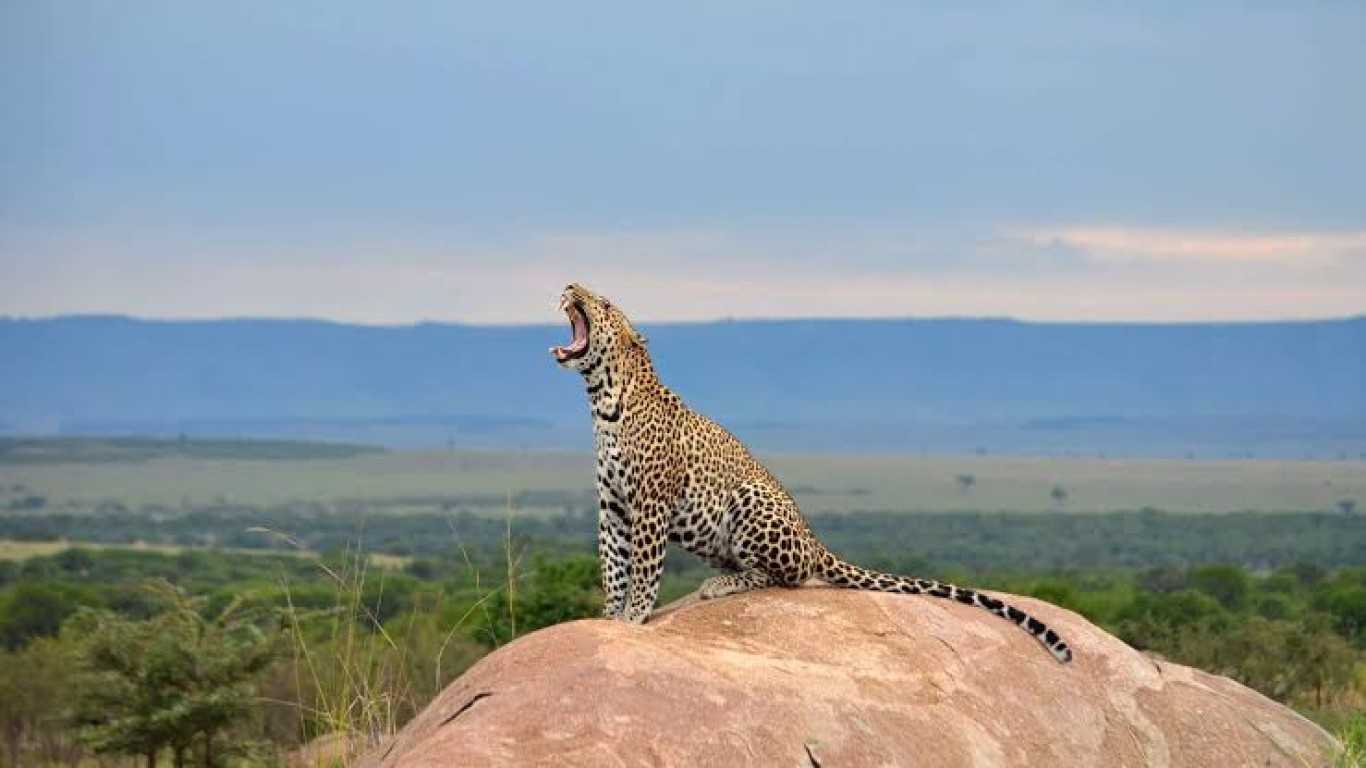
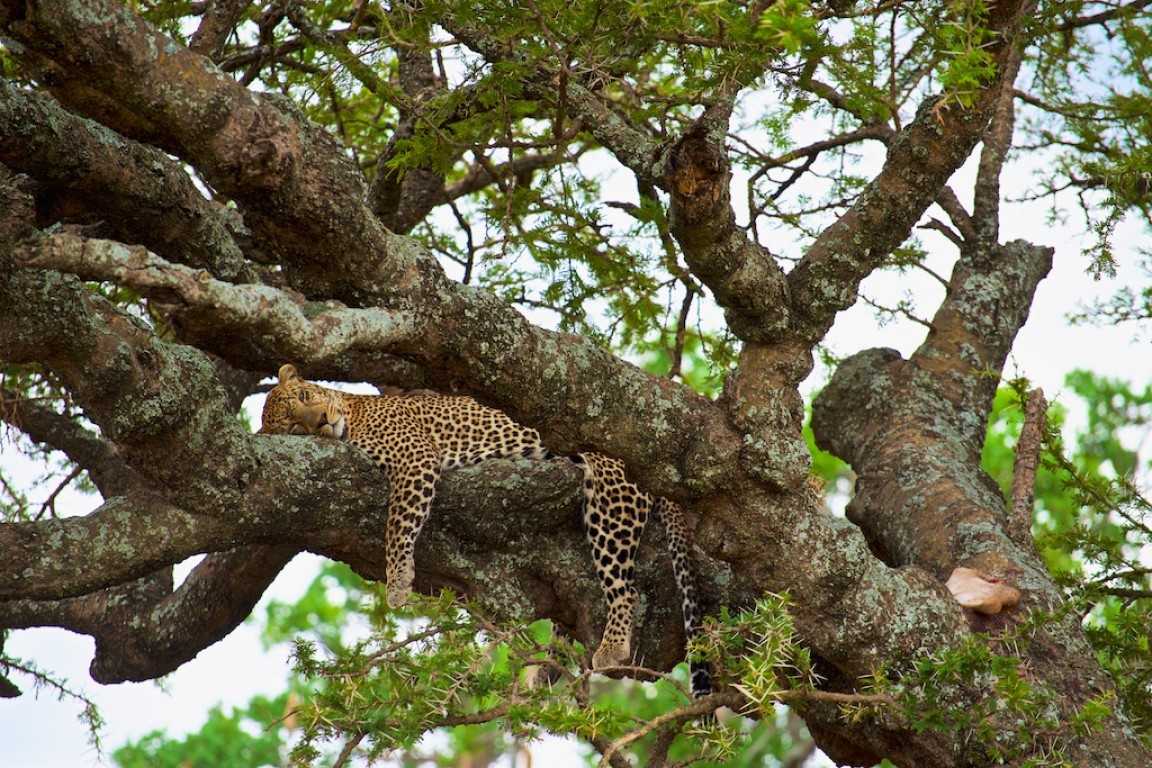
Leopards habitually rest in trees across Africa. What makes Manyara unusual is the lions doing it. The behaviour is also documented at Ishasha in Queen Elizabeth National Park, Uganda — another destination we cover.
Are there hippos in Lake Manyara?
Yes — several large pods are permanent residents of the lake shallows, visible from the shore road and especially from a canoe safari on the water.
Is Lake Manyara good for children?
Very much so. The compact size, reliable wildlife encounters and the spectacle of the flamingos and hippos make it one of the most child-friendly parks in northern Tanzania.
Want to visit Lake Manyara National Park?
Get a free custom safari plan within 24 hours.
Lake Manyara National Park safari tours

3-Day Tanzania Safari from Zanzibar to Tarangire, Ngorongoro Crater & Lake Manyara

Want to visit Lake Manyara National Park?
Get a free custom safari plan within 24 hours.
Best time to visit Lake Manyara National Park
June to October — Dry season (best for game viewing)
The vegetation thins as the dry season progresses, making it easier to spot wildlife in the groundwater forest and along the lake shore. Tree-climbing lion sightings peak in the mid-dry season when the prides spend the hottest hours resting in fever acacia canopies. The lake level drops slightly, concentrating shore birds and wading species. Elephant sightings in the forest are most reliable in this period.
November to December — Short rains (flamingos and migrants)
The short rains trigger an influx of migratory birds from the north. The lake level rises, the forest greens dramatically and flamingo numbers can reach their annual peak as algae blooms in the shallows. A beautiful and photogenic time to visit, with fewer tourists than the dry season.
January to March — Wet season (birding peak)
The park is lush and the bird diversity is at its highest. Breeding plumage makes January to March the top window for bird photography. Tree-climbing lion sightings remain good, and the hippo pods are easier to observe as the lake shoreline is accessible. Some game tracks can be muddy.
April to May — Long rains (quiet season)
The heaviest rains make some sections of the park road impassable. Wildlife is harder to spot in dense vegetation. However, the scenery is spectacular, rates are at their lowest and you will have the park almost to yourself.
Bottom line: June to October for game viewing and tree-climbing lions; November to March for birding and flamingos. Lake Manyara is small enough (330 sq km) to visit year-round as a half-day or one-night add-on to a larger Northern Circuit itinerary.
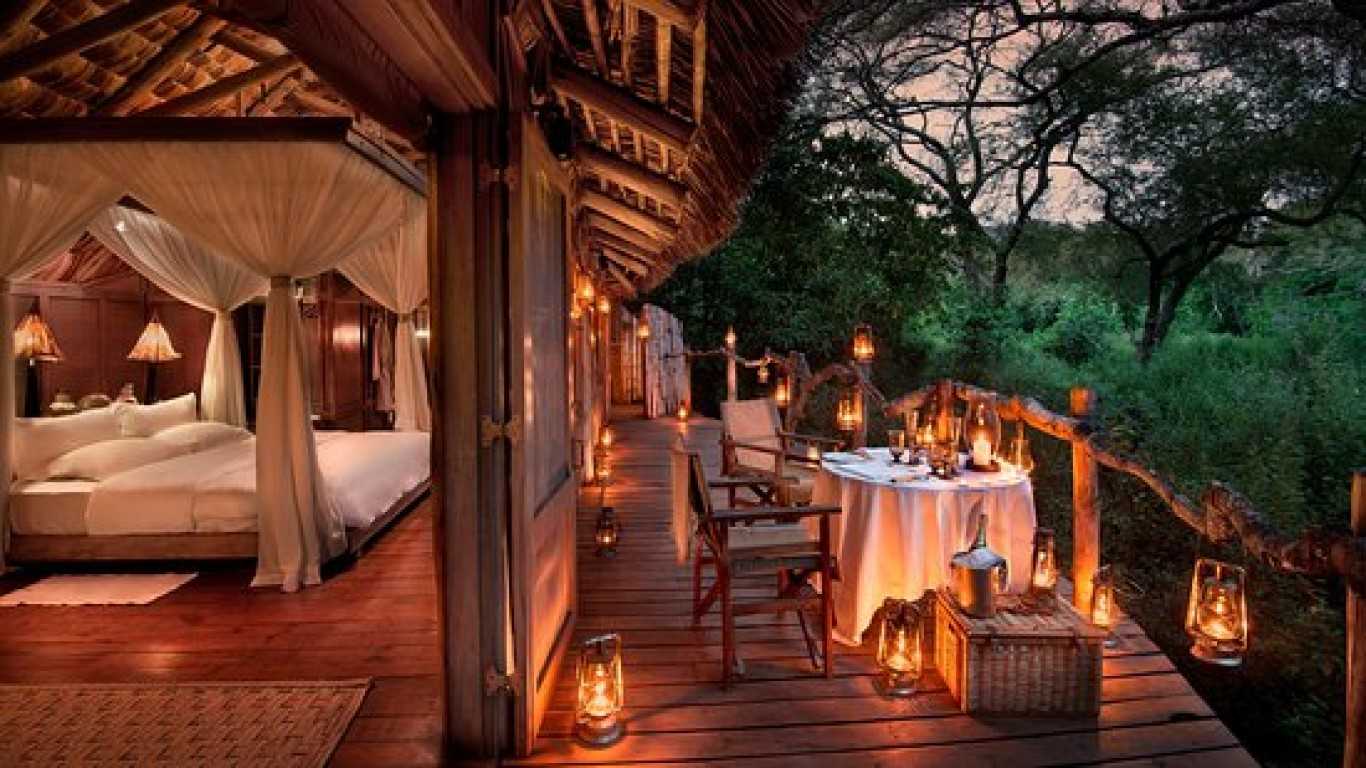
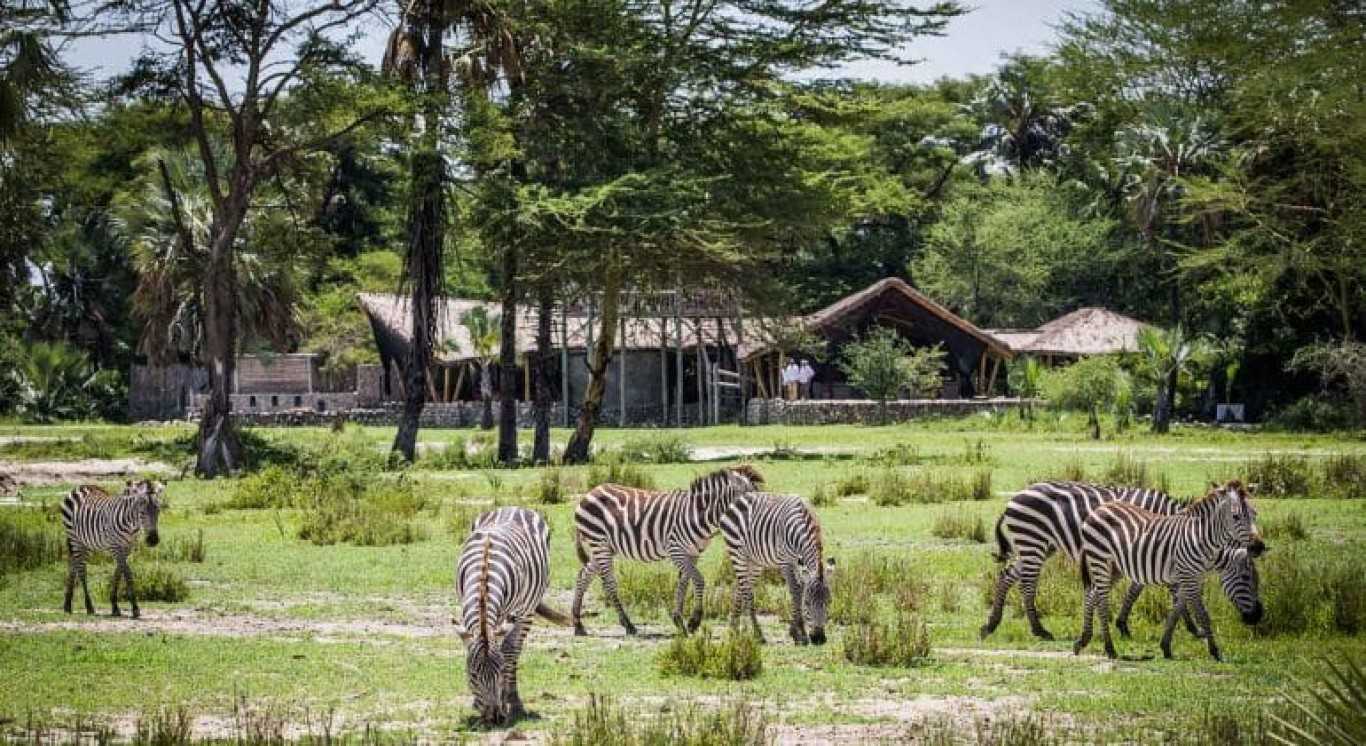
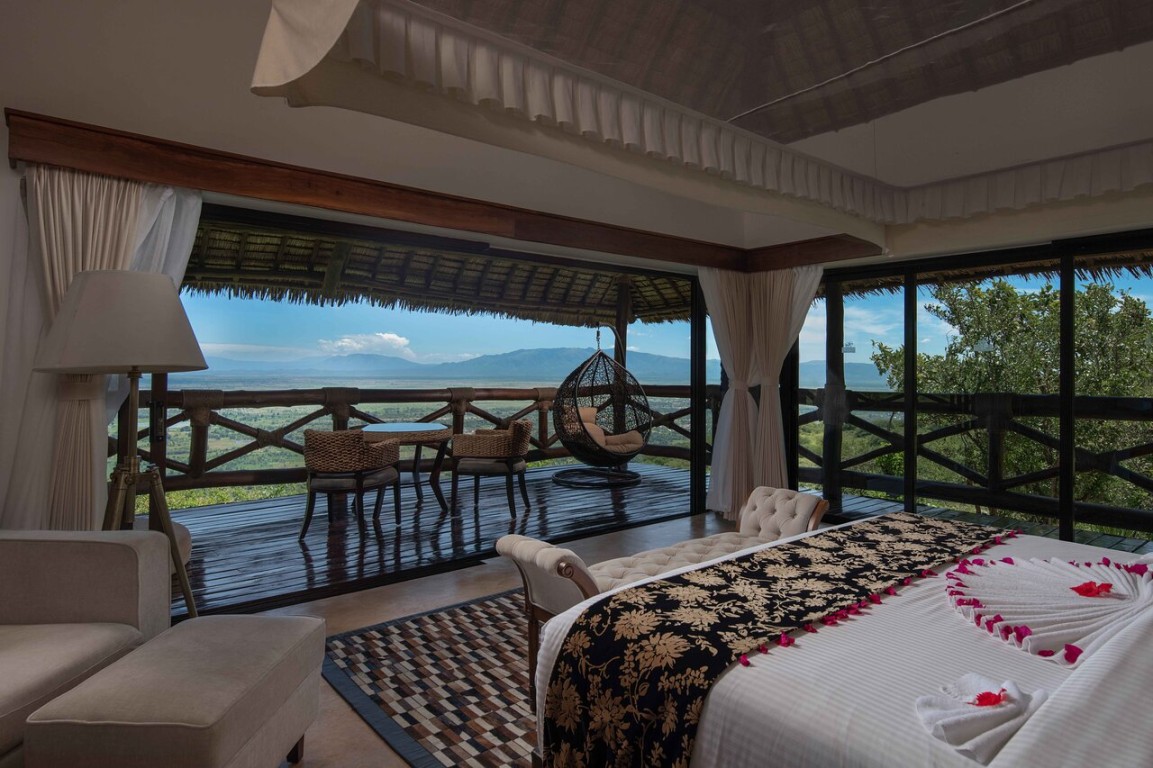
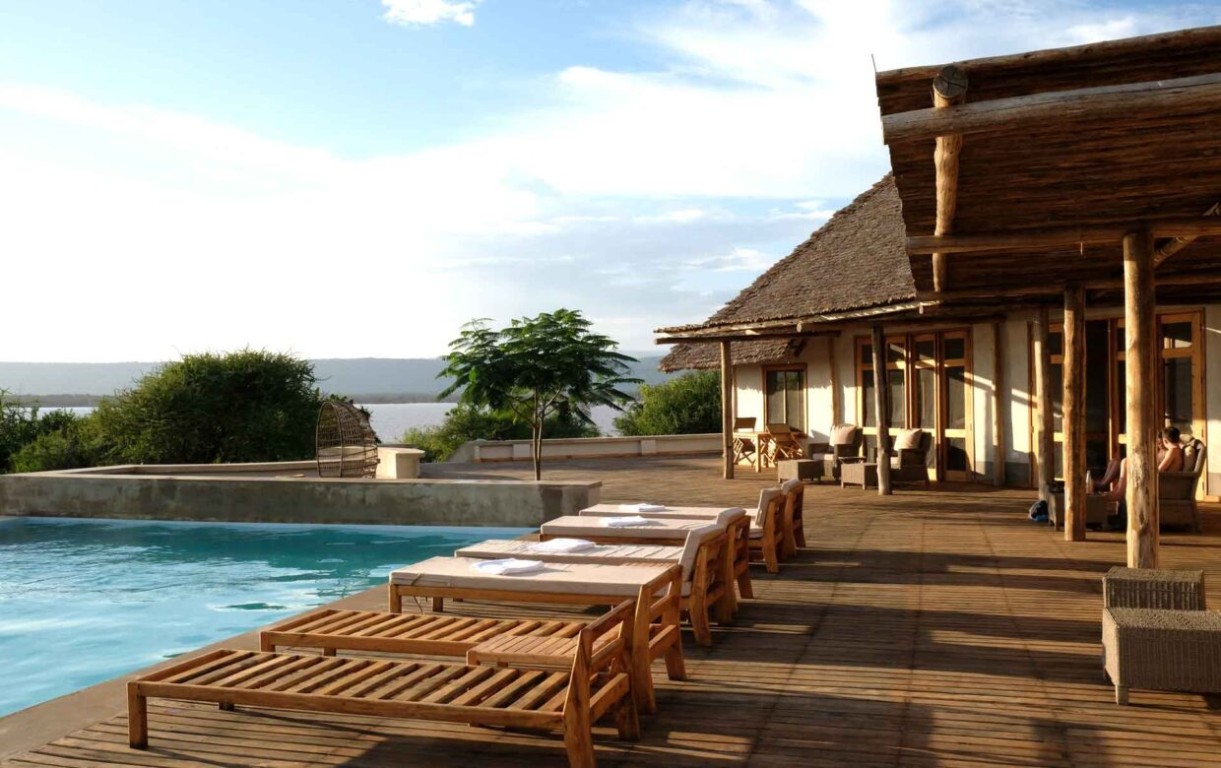
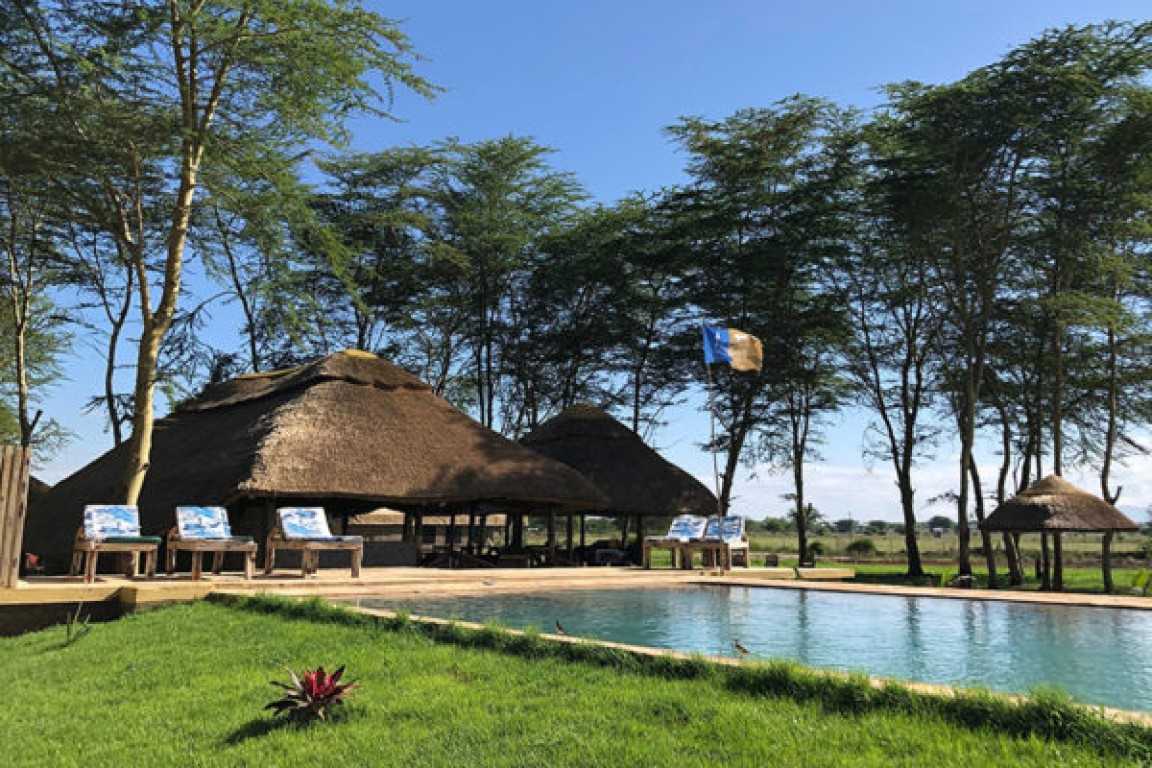
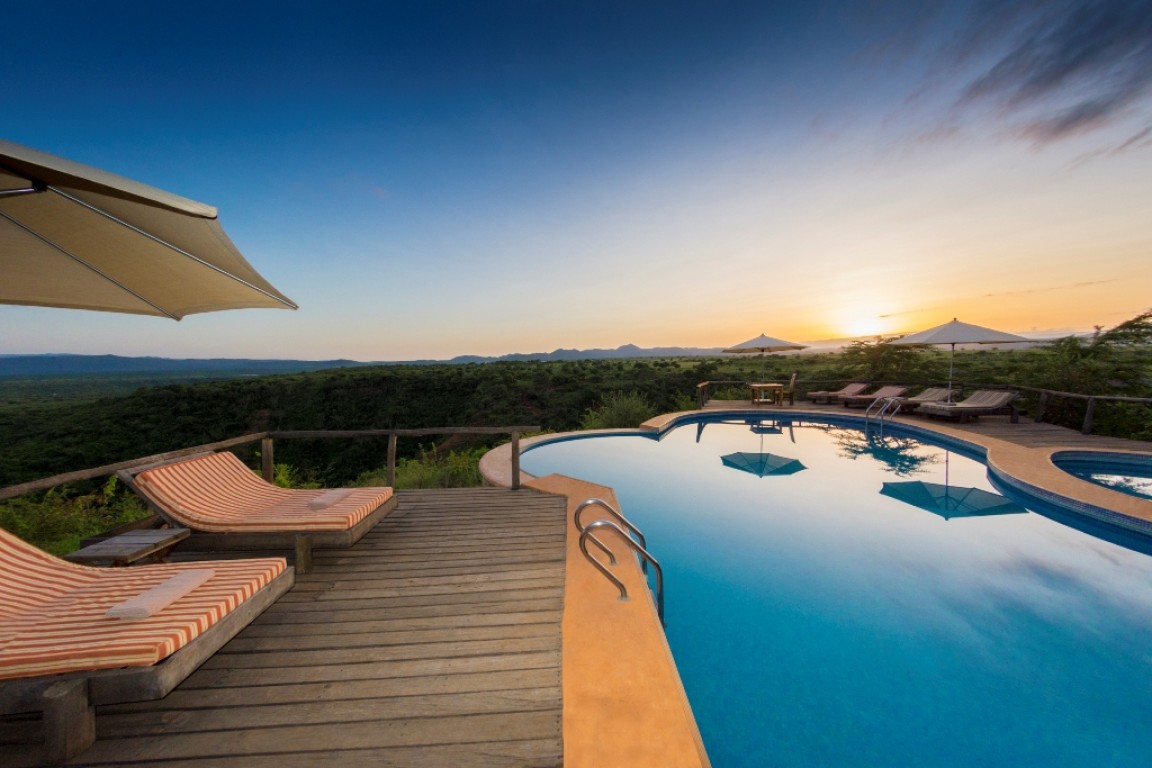
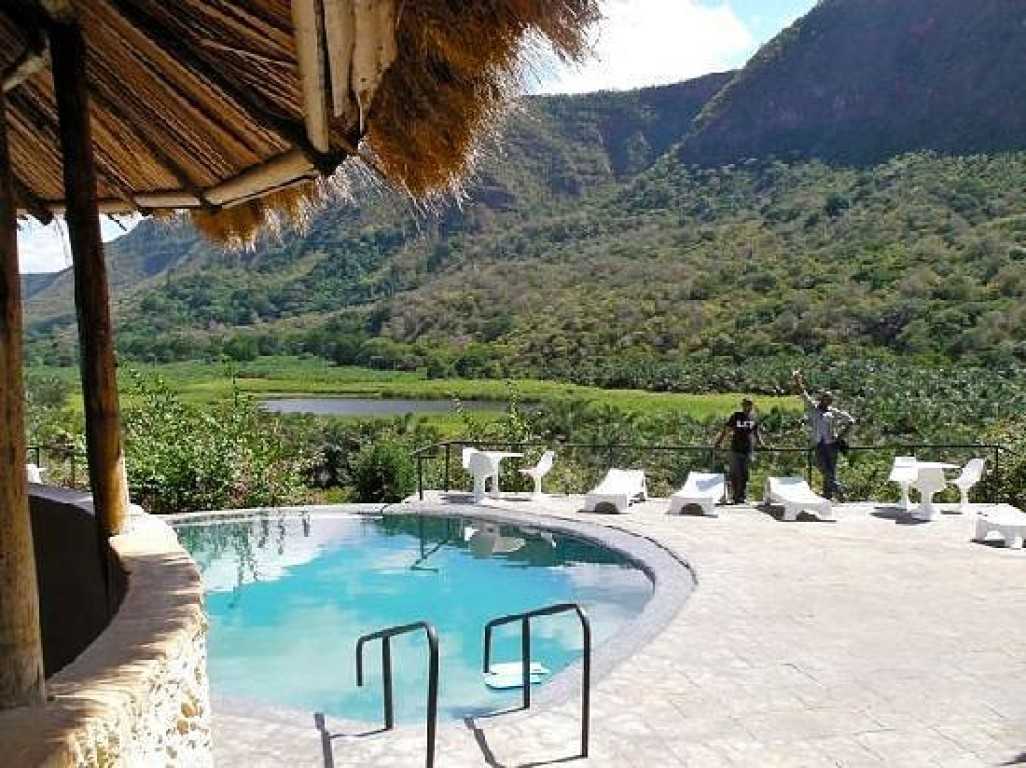
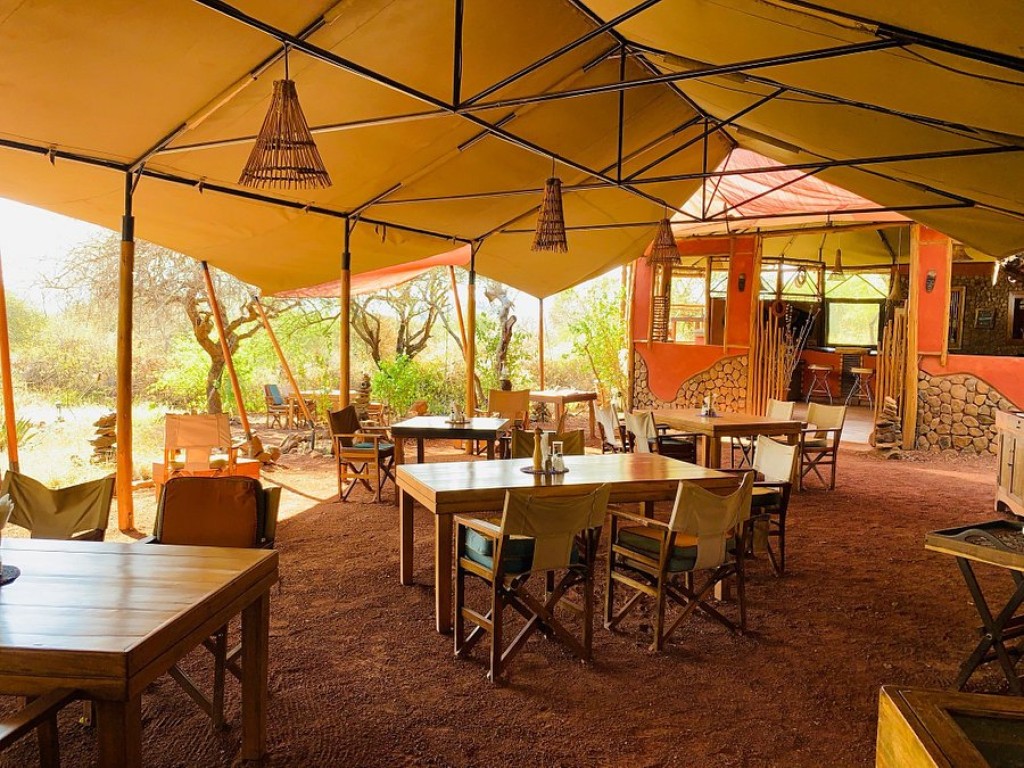
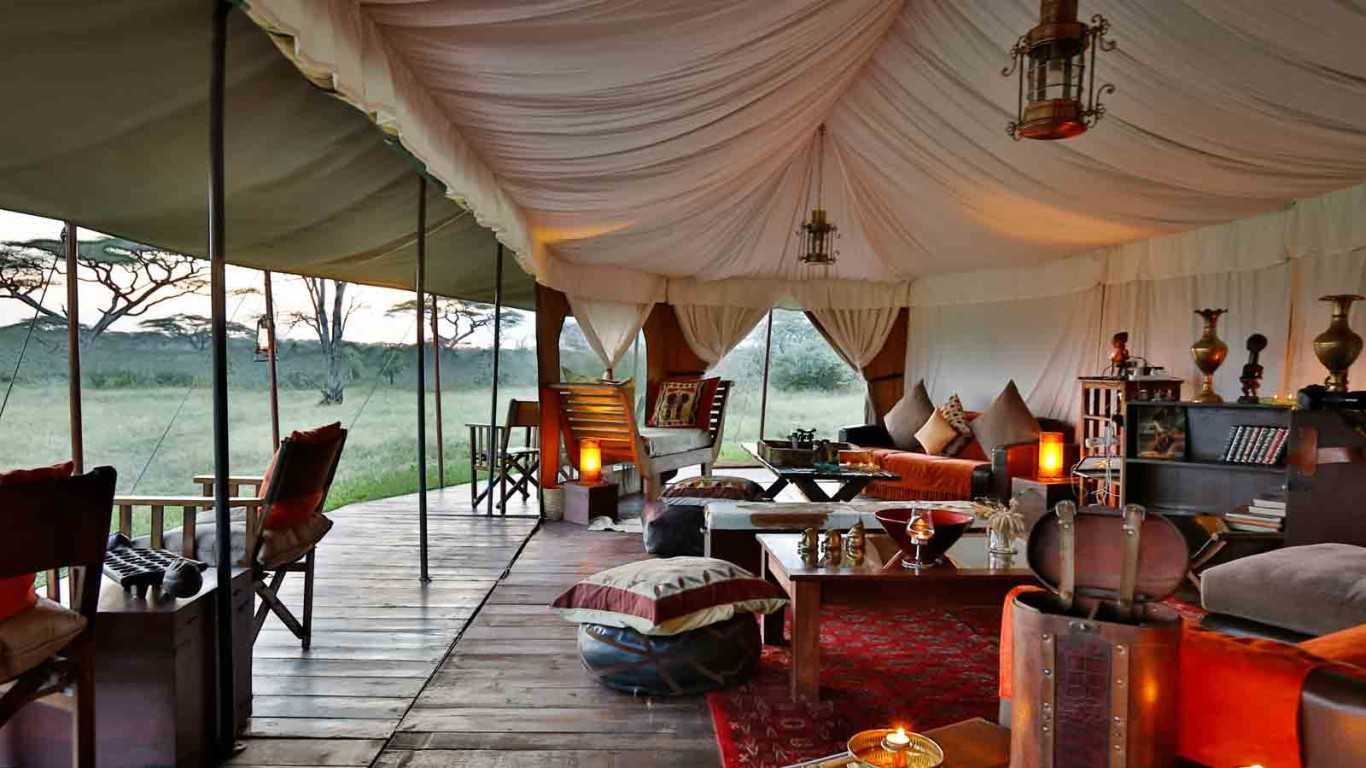
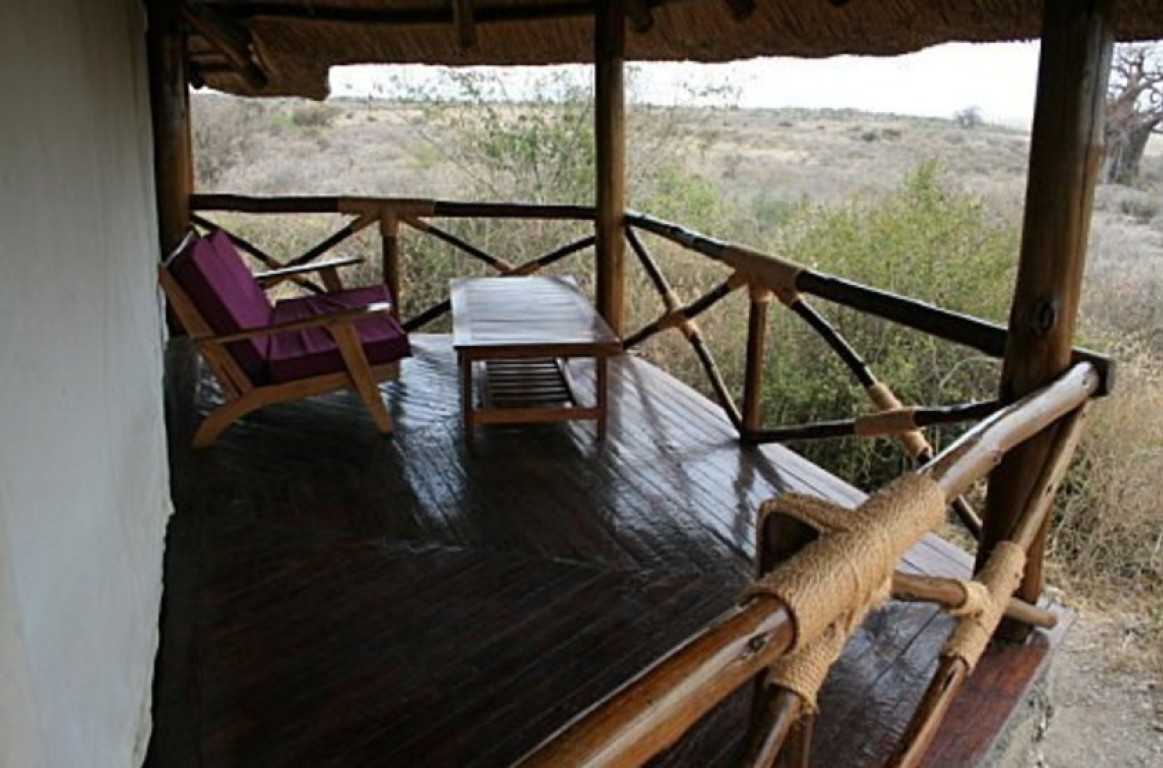
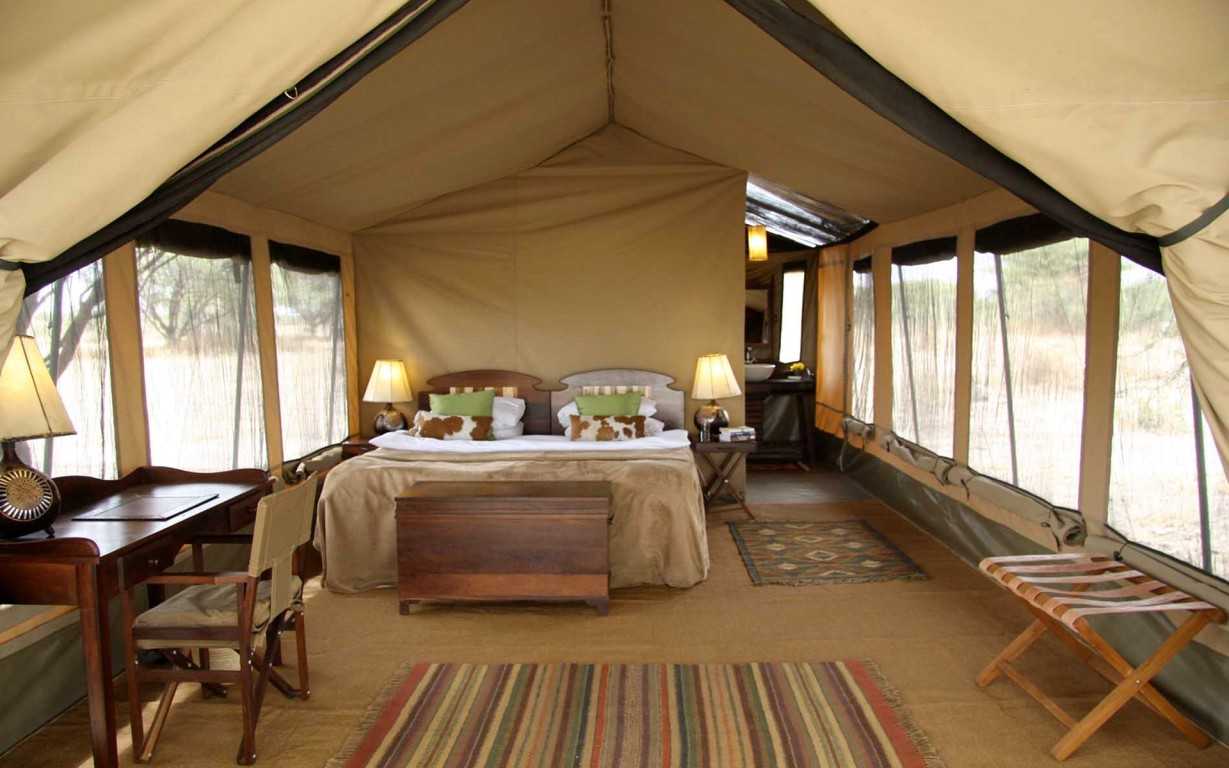
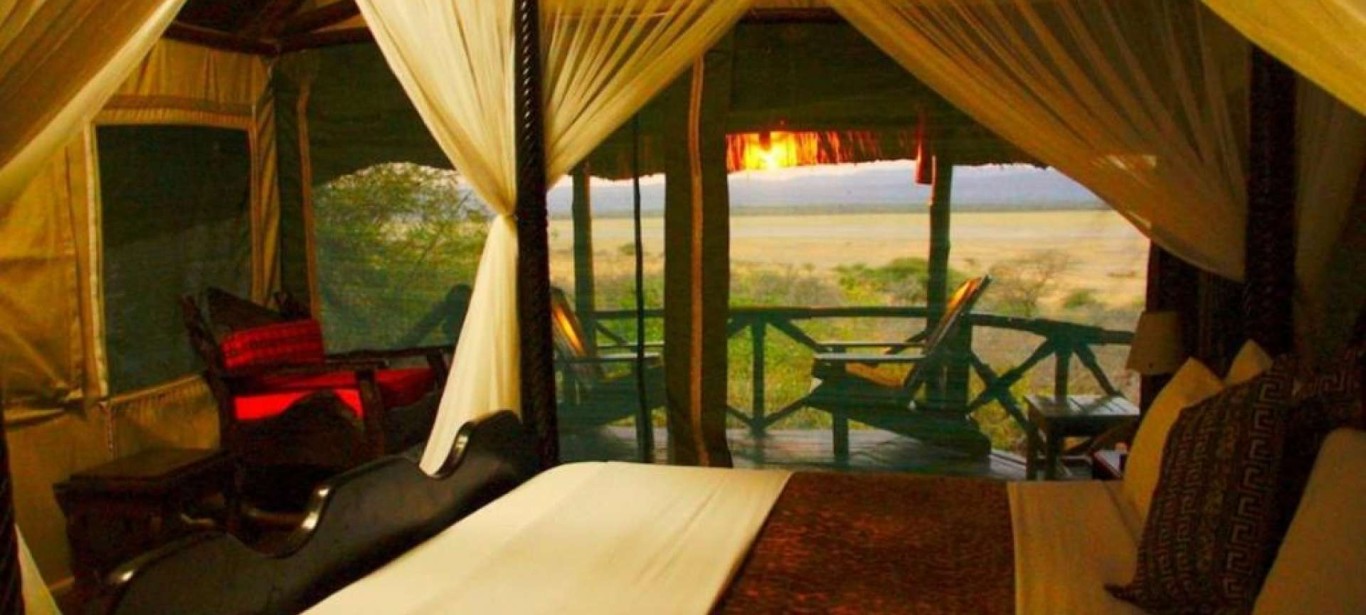
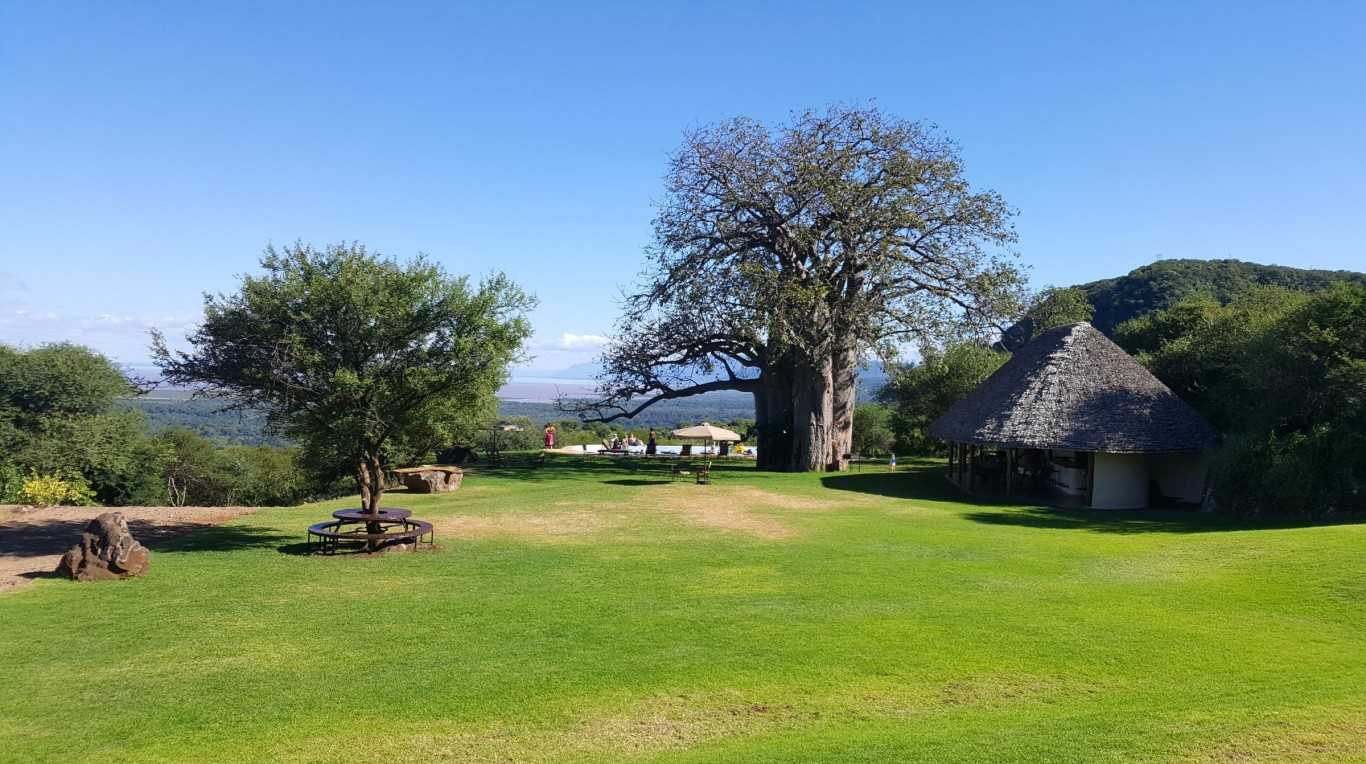
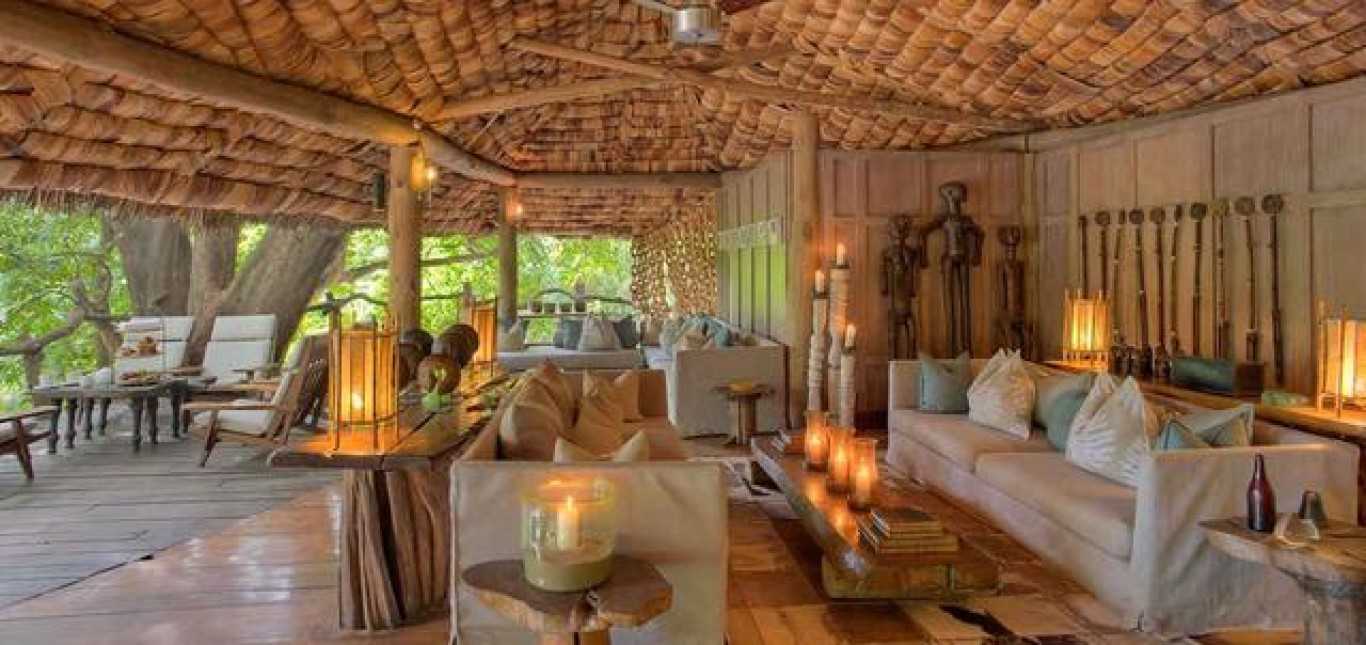
Where to stay in Lake Manyara National Park
Want to visit Lake Manyara National Park?
Get a free custom safari plan within 24 hours.
Nearby destinations
 Tanzania
 Tanzania
 Tanzania
 Tanzania