Information

+255743203749 info@safaribando.com Moshi, Tanzania, Kilimanjaro

Follow Us

Serengeti Migration Safaris

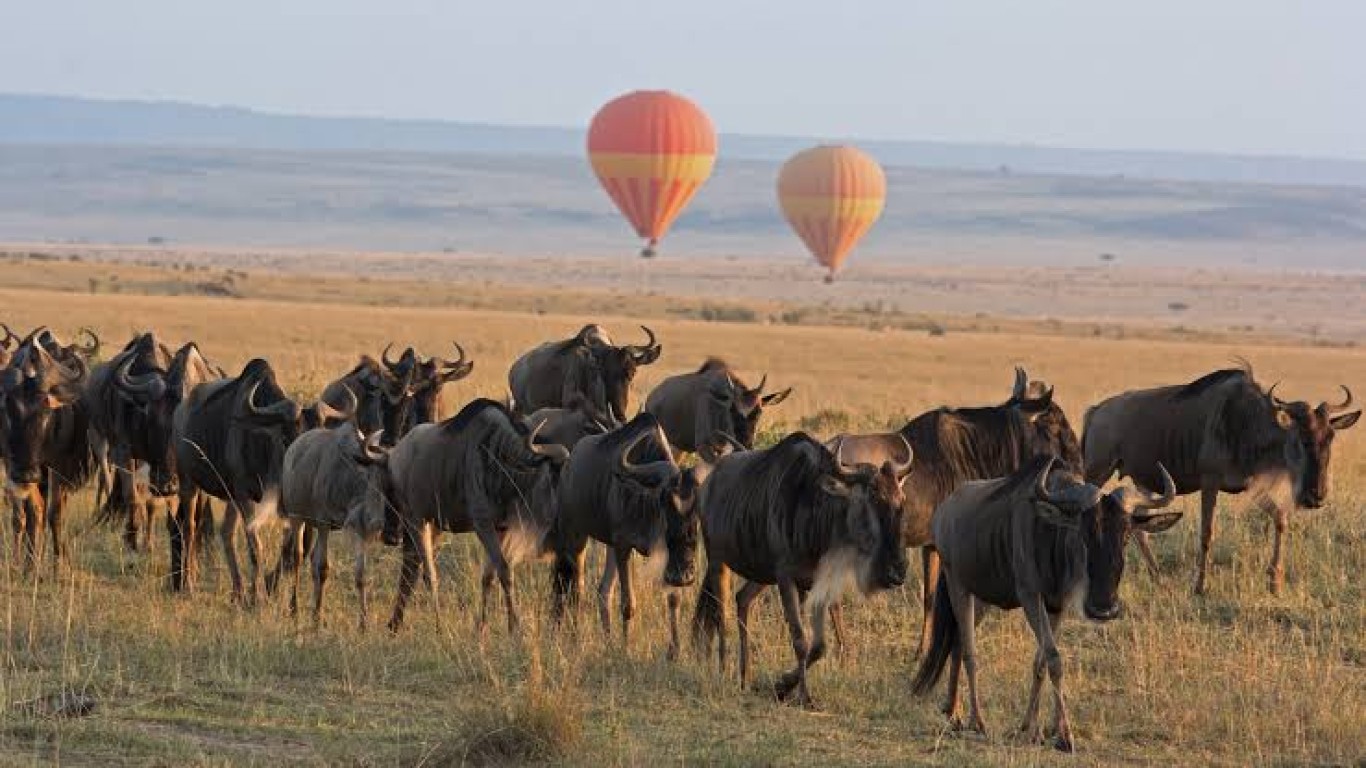
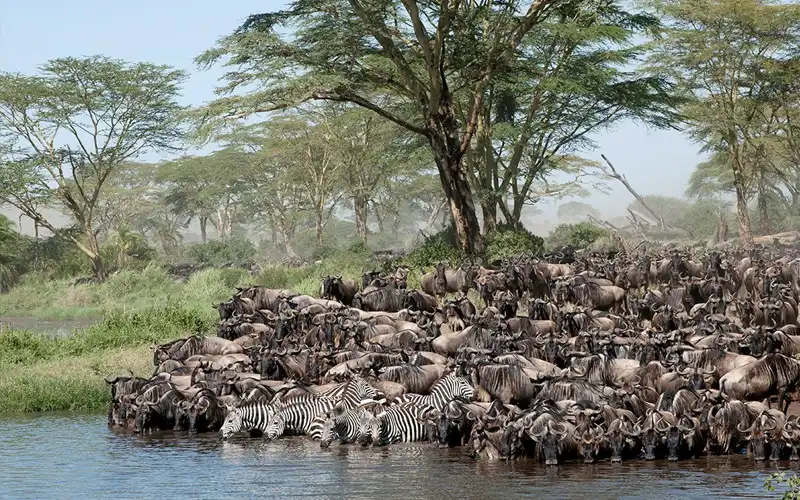
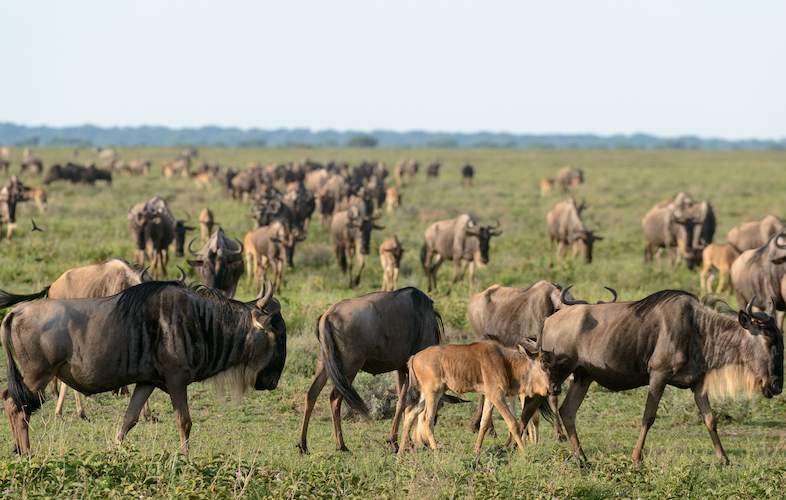
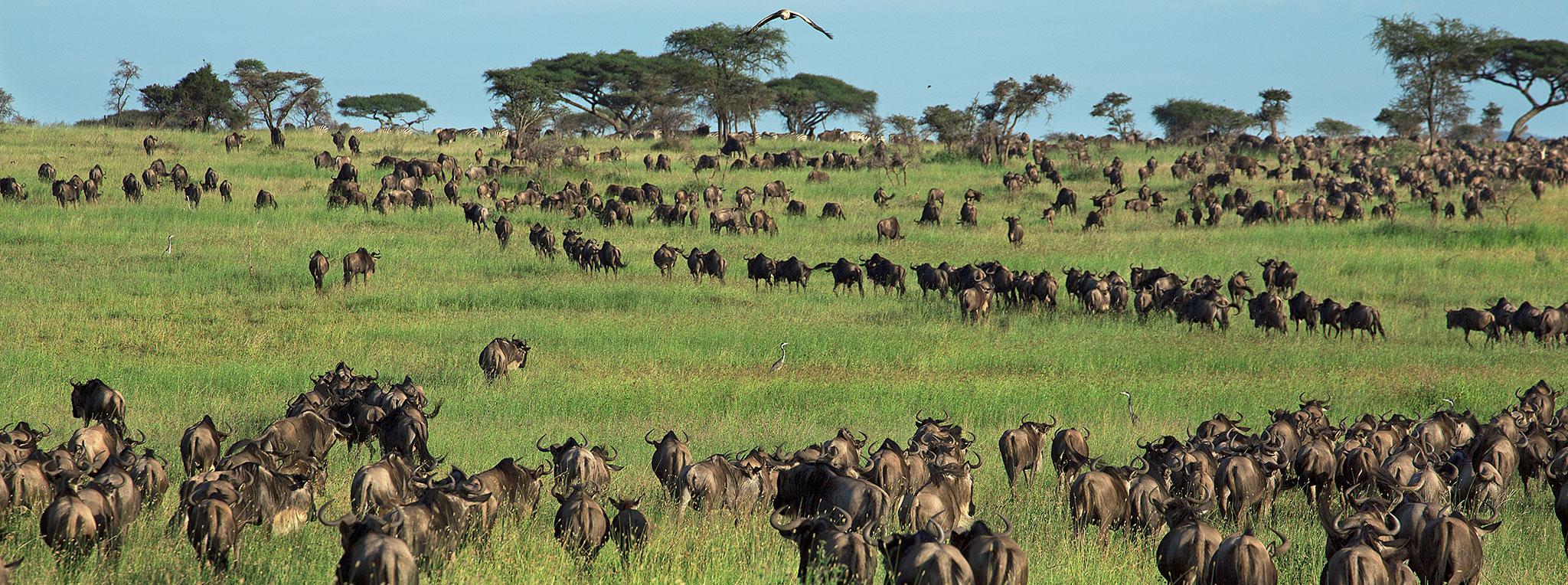
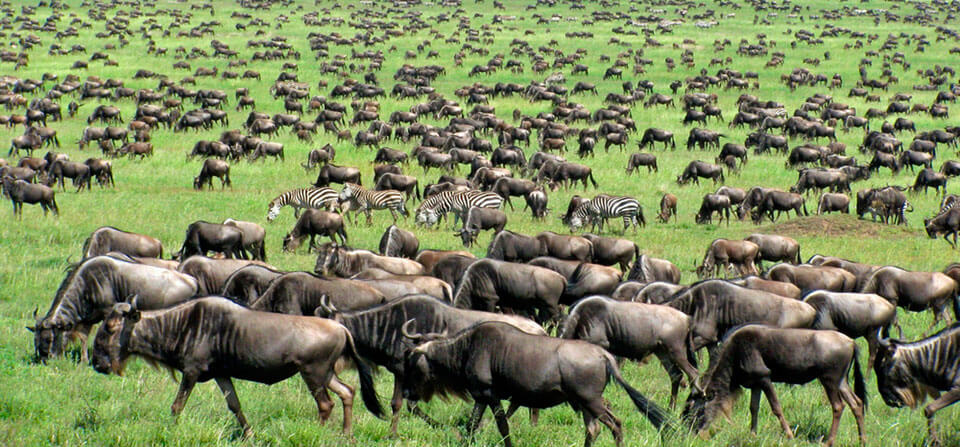
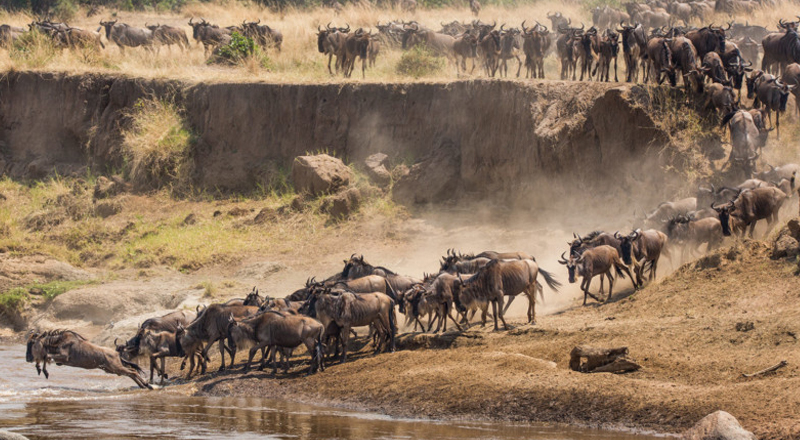
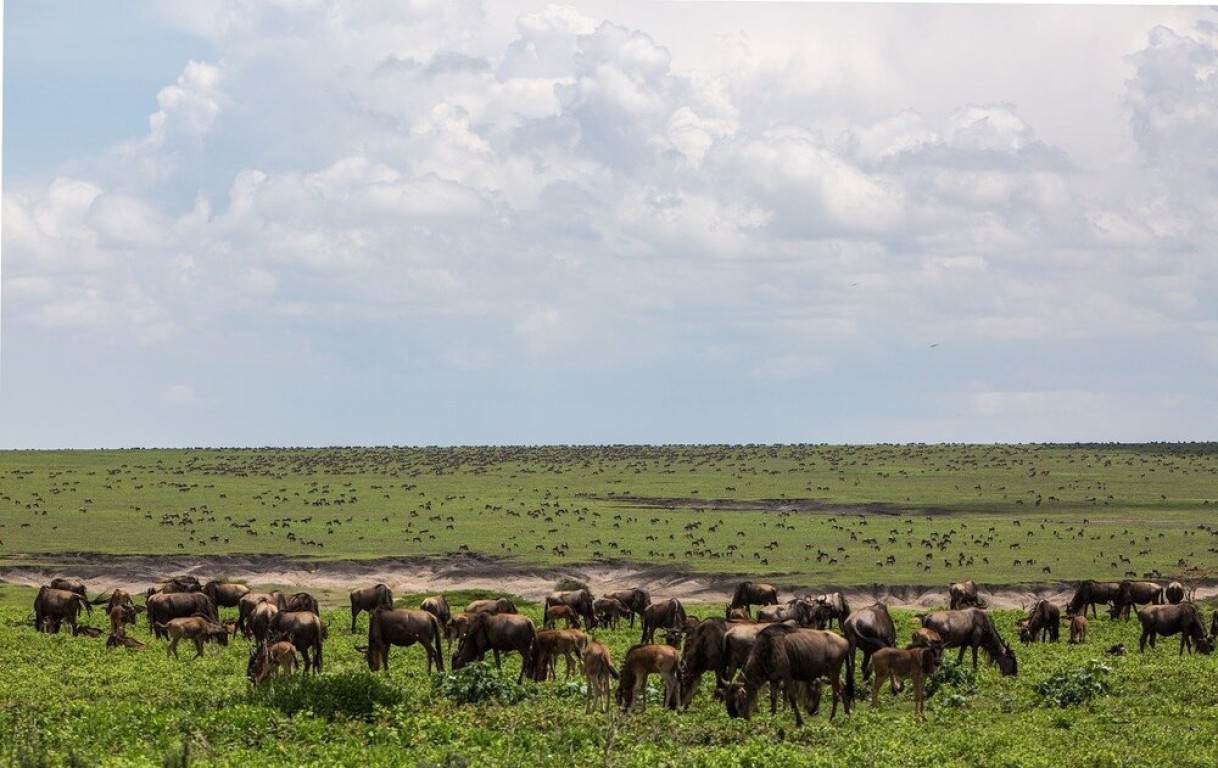
The Great Wildebeest Migration is the largest overland animal movement on Earth — 1.5 million wildebeest, 400,000 zebra and 200,000 Thomson's gazelle moving in a year-round circuit through the Serengeti–Mara ecosystem. Our Serengeti migration safaris position you at the right place in that circuit at the right time: river crossings in the northern Serengeti between July and October, calving season on the southern plains from late January through March.

Every migration safari uses a private 4x4 with a guide who tracks herd movements daily — because the Migration does not run to a fixed schedule, and finding the crossing is a skill that separates a spectacular morning from an empty riverbank. Browse our packages below and use the duration filter to match your travel dates.

20 Tours Available

All Serengeti Migration Safaris
5-Day Serengeti Migration Safari + Ngorongoro Crater
Featured
7-Day Serengeti Migration Safari - Mara River Crossing
Featured

Understanding the Great Wildebeest Migration

The Migration is not an event — it is a continuous movement. The herds never stop; they rotate through the Serengeti–Mara ecosystem in a clockwise circuit driven entirely by grass availability and rainfall. Understanding where the herds are in that circuit on your specific travel dates is the most important factor in planning a migration safari.

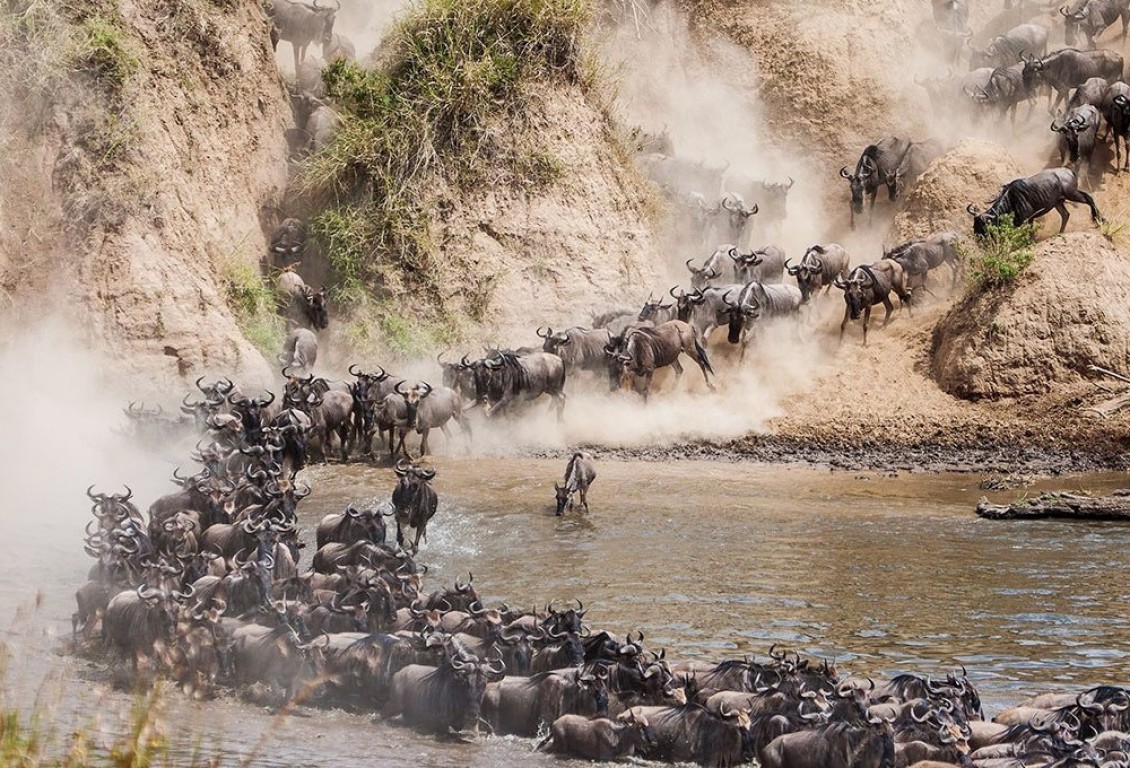
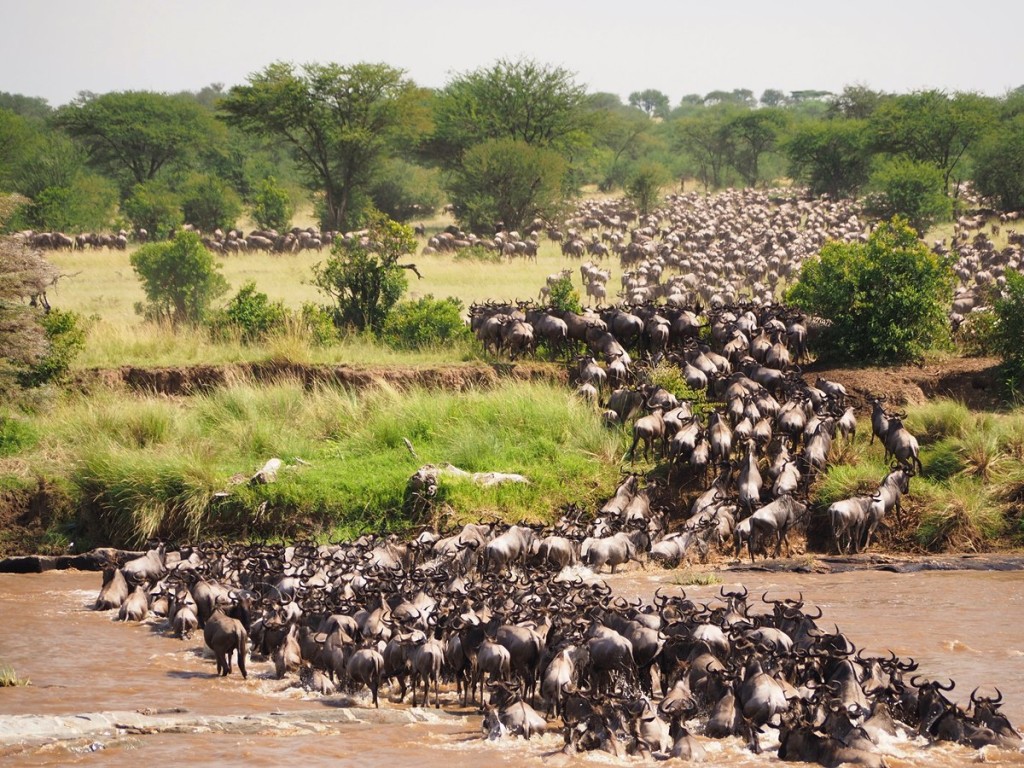
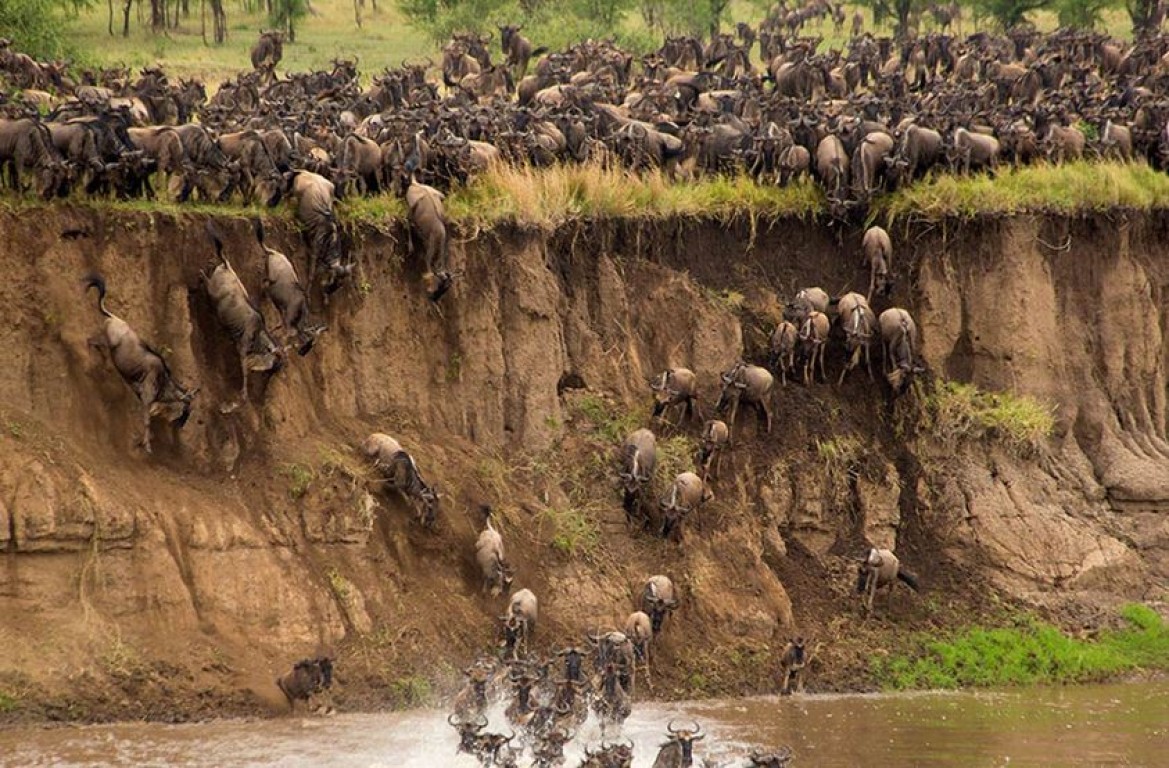
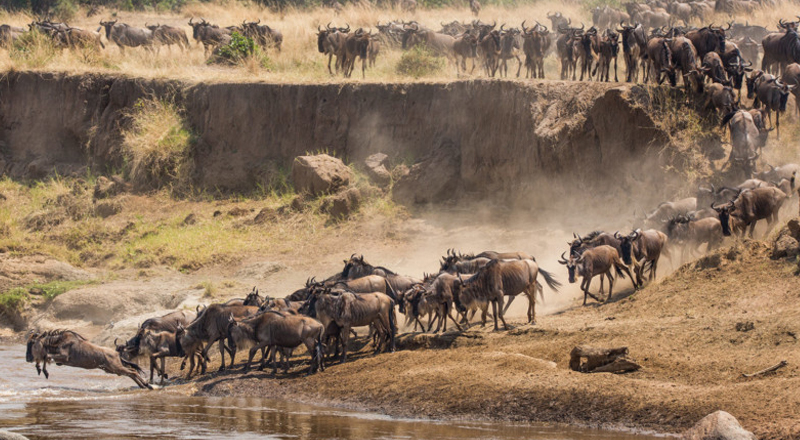
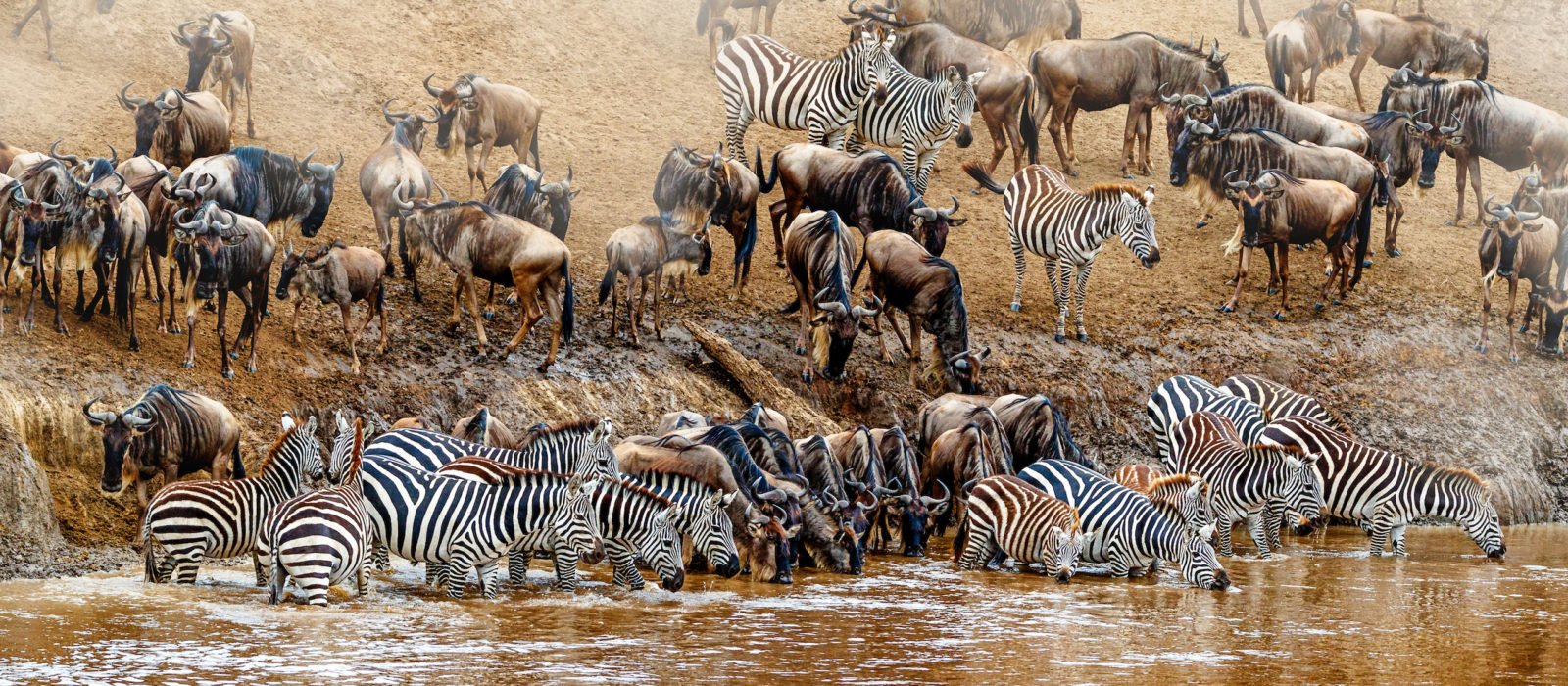
The ecosystem spans the southern Serengeti, central Serengeti (Seronera), the Western Corridor, the northern Serengeti (Kogatende) and the Masai Mara in Kenya. The animals cross between Tanzania and Kenya across the Mara River — these crossings, when thousands of wildebeest plunge through crocodile-patrolled water in panicked surges, are the most dramatic wildlife spectacle on the continent.

The Migration Calendar: When and Where

Calving Season — January to mid-March

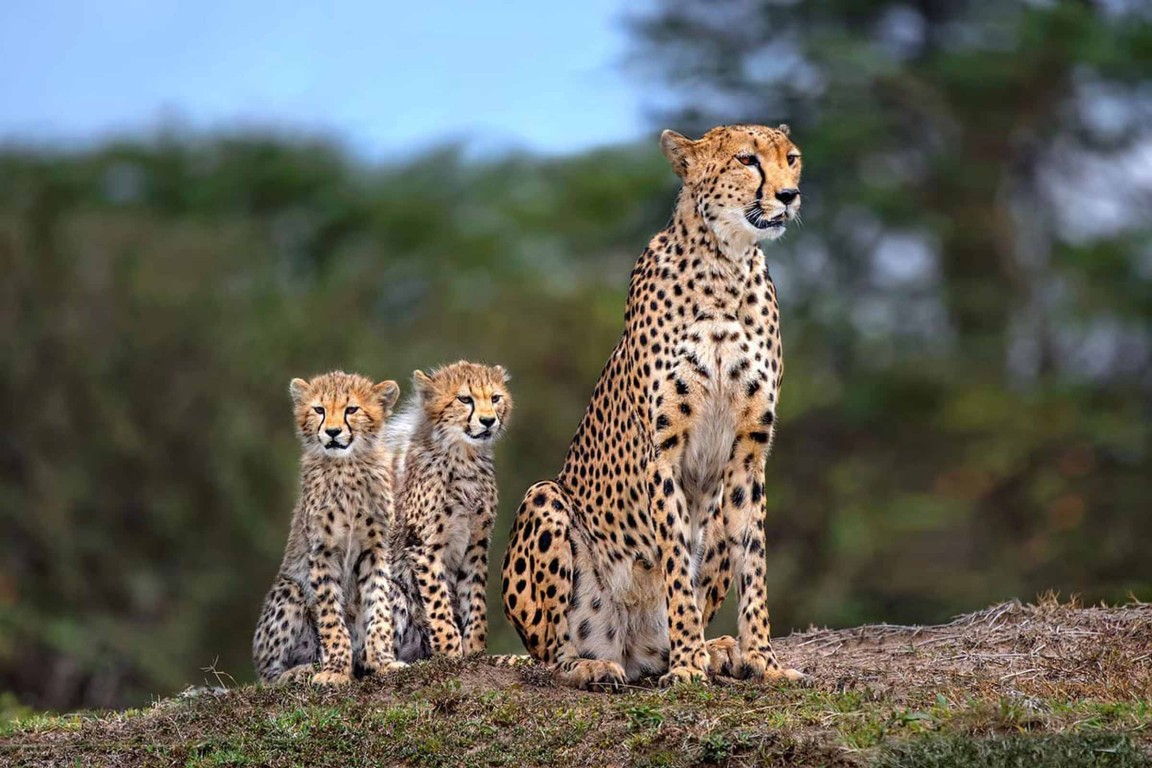
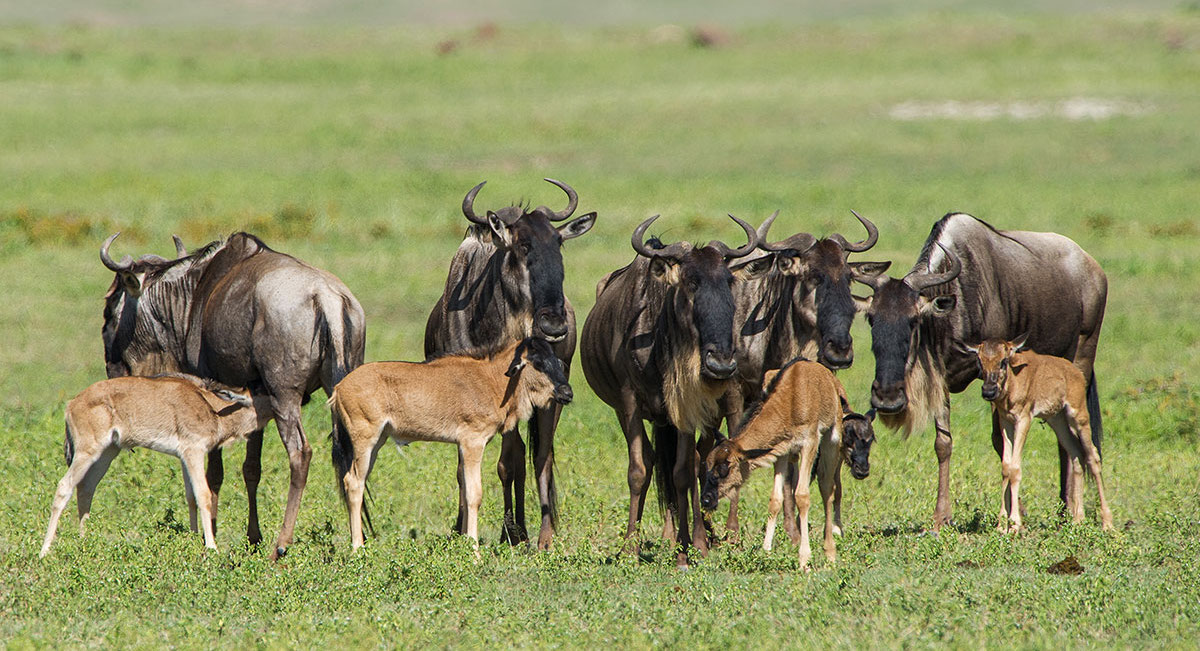
The most extraordinary and least visited window. Between late January and early March, approximately 500,000 wildebeest calves are born across the short-grass plains of the southern Serengeti and the Ndutu area of the Ngorongoro Conservation Area. Calves are born at a rate of roughly 8,000 per day at peak. The newborns can stand within minutes; predators — lion prides, cheetah mothers with cubs, spotted hyena clans — are present in the highest concentrations of the year. Fewer tourists than July to October, lower lodge rates.

Moving North — April to June

As the long rains arrive in April, the herds move north and west through the central Serengeti and the Western Corridor. The Grumeti River crossing happens here — smaller than the Mara but dramatic, with large resident crocodile populations. The landscape is vivid green and the herds spread across a wide area. April and May are the quietest months in the Serengeti.

Mara River Crossings — July to October

This is the window most people mean when they say "the Migration." The herds reach the northern Serengeti by late June and begin attempting the Mara River crossings. The crossings happen when herd pressure builds enough to push lead animals into the water — thousands plunge in simultaneously while Nile crocodile strike from below and lion wait on the far bank. A